California’s Offshore Wind Opportunity

Date: February 27, 2023

Creating jobs in CA by developing a new clean energy resource

Summary:

As the Biden administration steps up efforts to expand offshore wind resources, this report finds that development of floating offshore wind in the waters off of Morro Bay and Humboldt Bay in California could create and support nearly 175,000 jobs, add $45 billion to the state’s economy, and produce 4.6 GW of wind energy.

California and federal lawmakers have an opportunity to hasten development—and scale the deployment—of this valuable new technology by enacting appropriate policies now. This is especially urgent on the heels of President Joe Biden signing into law the Inflation Reduction Act (IRA) of 2022. This bill includes full-value tax incentives for the manufacturing and deployment of technologies like offshore wind in the U.S. The IRA also includes billions of dollars for the U.S. Department of Energy (DOE) to help scale up technologies like floating offshore wind.

Offshore wind will diversify California’s renewable energy supply. This is critical to a stable electric grid and, crucially, can help the state achieve its long-term clean energy and climate ambitions in a least-cost manner. At the same time, floating offshore wind can create tens of thousands of new jobs for Californians, benefit underserved communities, and generate billions of dollars’ worth of wages, investments, economic benefits and tax revenues at the state, local and federal levels.

This field is for validation purposes and should be left unchanged.

Policy Matters

California has been a global climate leader by passing policies that have created the market structures necessary to drive innovation, build the state’s clean energy economy and reduce carbon emissions. To maximize the economic benefits of harnessing the state’s offshore wind resources—especially in light of the major federal clean energy investments in the Inflation Reduction Act—state and federal governments must advance policies that will drive a sustainable, resilient offshore wind industry in California. Specifically, this includes:

// Development of a strategic plan by the end of 2023 that formalizes targets; identifies suitable sea space, programs and funding; advances economic and workforce development and in-state manufacturing opportunities; optimizes transmission planning and permitting; identifies potential impacts on ocean uses and the environment, as well as strategies for addressing those potential impacts; and helps de-risk projects early on in order to provide greater certainty for the industry.

// Ensuring that AB 525 requires the CEC to develop a permitting road-map that describes timeframes and milestones for a permitting process for offshore wind energy facilities and associated electricity and transmission infrastructure off the coast of California.

// The State of California must investigate the need for—and, if warranted, approve construction of—a subsea transmission cable from the Los Angeles Basin to Diablo Canyon. This could resolve current regional transmission constraints, reduce dependency on dirty natural gas peaker plants, and minimize threats of grid-induced wildfire, while providing transmission capacity to connect Southern California with potential future offshore wind development.

// State officials must leverage funding from the Infrastructure Investment and Jobs Act dedicated for grid modernization to upgrade the grid for offshore wind energy integration.

// Congress must invest more in grid modernization including passing a grid modernization tax credit that is essential to the development of offshore wind and the deployment of utility scale clean energy generally.

// The CEC, in partnership with the Ocean Protection Council and BOEM, must make continued investments in environmental planning and mapping for offshore wind development, primarily through the funding and support of the Offshore Wind Data Basin.

// The State should develop and fund an institute—under the purview of the California Coastal Commission—dedicated to the collecting and public sharing of data related to the monitoring and mitigation of ocean ecosystem impacts.

// BOEM must incorporate ocean ecosystem impact monitoring and mitigation stipulations in its lease agreements.

About this Report

The research team estimated local economic impacts for the Morro Bay and Humboldt Bay offshore wind projects using NREL’s modeling tool Jobs and Economic Development Impact (JEDI). JEDI is an input-output modeling tool used to generate outputs for employment, Gross Regional Product (GRP) and earnings for the construction and operations of a particular offshore wind project. The model illustrates the interdependent relationships between the different sectors of a region’s economy, to produce employment figures that vary according to the modeled project’s energy output and local content. The offshore wind activities modeled for the two locations are used as inputs into the model to estimate the multiplier effect on business, household, and government expenditures and industry employment. JEDI estimates these effects based on facility size, energy output, year of construction and the built-in economic multipliers specific to the project location. The economic outputs outlined in this report include:

// Jobs created from the construction of offshore wind facilities with 1.8 GW of capacity in Morro Bay and 1.2 GW in Humboldt Bay by 2030, a total of 3 GW in capacity across both sites.

// Jobs created from the construction of 4.2 GW of additional capacity in Morro Bay and 2.8 GW in Humboldt Bay between 2030 and 2040, to reach a total of 10 GW of offshore wind capacity across both sites.

// Annual number of jobs created for the operation of the initial 3 GW installed by 2030.

// Annual number of jobs created for the operation of 10 GW installed by 2040.

// Employment split by industry for Construction and Operations phases.

// Labor income resulting from jobs created by offshore wind projects.

// Additional GRP for Morro Bay and Humboldt Bay because of economic activity from offshore wind projects.

// Local, state, and federal tax revenue for Phases 1 and 2.

For questions on this report, methodology, reported job numbers, or requests for specific additional data, email E2 Communications Director Michael Timberlake ([email protected]).

View Report »

Building Opportunity: Chicago

Date: January 25, 2023

The Economic Benefits of Advancing Clean Building Policies in the Windy City

Summary

Chicago is home to more than 12,000 workers engaged in work directly related to making Chicago’s building sector cleaner and more efficient. This workforce includes workers who replace old insulation in the attics of single-family homes, fit new pipes for geothermal heating and cooling systems in commercial buildings, and install electric stoves and air source heat pumps in homes and buildings.

To better understand how electrifying and making Chicago’s buildings more energy efficient would impact the city’s labor market, E2 took a deeper dive into Chicago’s overall clean buildings employment data.

Building Decarbonization and Electrification Employment by Value Chain, 2021

Professional Services 5,769
Construction 4,459
Manufacturing 1,726
Wholesale Trade 664
Other Services 104
Total 12,722

Policies Matter

Policies that support electrifying and making Chicago’s buildings more energy efficient can create job opportunities and result in substantial economic and climate benefits for Chicago residents. With the Inflation Reduction Act incentives creating an unprecedented opportunity for cities, states, and customers to advance clean energy and building retrofits, the time to act is now. The City of Chicago must pass the following by early 2023:

  • Carbon Emissions Standard for New Construction: Adopt the proposed Clean Buildings, Clean Air ordinance that sets a carbon emissions standard to prohibit fossil fuel powered appliances in new commercial and residential construction and gut renovations of existing buildings. The ordinance phases in requirements starting with lower-rise buildings in mid-2024 and for taller buildings by end of 2024 and includes exceptions for select uses like industrial processes, hospitals, and commercial cooking.

DOWNLOAD

Download the complete report at at this link.

BACKGROUND

This analysis of the United States Energy and Employment Report (USEER) was produced by BW Research for E2. The USEER survey includes workers who spend a plurality of their time working to improve the energy efficiency of a building, factory, residence, etc., without regard to the type of energy source used—including those workers who may still may still be installing high-efficiency gas technologies. As buildings transition from gas to all-electric these jobs will transition with them, as the skills required for both technologies are highly transferable.

View Report »

Building Opportunity: New Jersey

Date: December 5, 2022

The Jobs and Economic Benefits of Decarbonizing
Buildings Across the Garden State

SUMMARY

The Garden State is home to nearly 33,000 people who are employed in work directly related to constructing high-performance, climate-friendly, decarbonized buildings capable of running on 100% clean power. The work they engage in includes activities like installing electric induction stoves in kitchens in Hoboken, replacing old insulation in drafty attics of single-family homes in Hunterdon County, or fitting new pipes for geothermal heating and cooling systems in offices in industrial parks along the Jersey Shore.

To better understand how decarbonizing New Jersey’s buildings is impacting the state’s labor market, E2 took a deeper dive into the state’s overall building decarbonization employment data.

By looking at five employment areas — technology; value chain; residential and commercial sector employment; electrification, building envelope and other energy efficiency; and specific occupational analysis —we found that:

  • Northern New Jersey is home to the highest concentration of the state’s building decarbonization jobs but every other region in the state is home to thousands as well.
  • More than half of New Jersey’s building decarbonization jobs were in construction-related fields, which can include tasks like erecting scaffolding and other temporary construction site structures, loading or unloading building materials, operating on-site equipment, and digging trenches and earthworks to prepare construction sites.
  • Statewide, there are more than 21,000 workers involved in residential building decarbonization; another 16,000 work in commercial building decarbonization, with some overlap between the two. This suggests broad opportunities and transferable skills for people who work on everything from single-story ranch houses and barns, to high-rise office buildings in urban centers.
  • In 2020, the average annual wages for five select occupations within building decarbonization in New Jersey ranged from $56,700 (for workers who are involved in insulation, floors, ceilings and walls) to $75,800 (plumbers, pipefitters and steamfitters). Introduction
  • The education required for entry-level jobs and the on-the-job training that workers receive varies depending on the occupation. This suggests a wide range of opportunities for workers with various experience levels, backgrounds and education.

Job Highlights by Technology, 2020

Technology New Jersey Jobs
Energy Star & Efficient Lighting 7,167
High Efficiency HVAC & Renewable H&C 6,594
Traditional HVAC 10,181
Other 6,505
Advanced Materials & Insulation 2,433
Total 32,880

Wage, Education, and Training Highlights by Occupation, 2020

The wage data shows how significant of an opportunity building decarbonization represents to workers in New Jersey and to the overall economy. In five of the most common building decarbonization occupations, average annual wages in New Jersey range from $56,700 to $75,800.

Occupation New Jersey Avg Annual Wage National Avg. Annual Wage Education & Training: Typical Entry-Level Education Education & Training: Typical On-the-Job Training
Heating, Air Conditioning,
and Refrigeration Mechanics and Installers
$63,500 $54,690 High School diploma or equivalent 2-year degree or certificate; long-term on-the-job training
Electricians $75,100 $63,310 High School diploma or equivalent Apprenticeship; long-term training
Construction Laborers $58,700 $44,130 High School diploma or equivalent Short-term on-the-job-training
Insulation Workers, Floor,
Ceiling, and Wall
$56,700 $44,810 High School diploma or equivalent Short-term on-the-job-training
Plumbers, Pipefitters,
and Steamfitters
$75,800 $62,250 Four-year degree Apprenticeship; short-term on-the-job-training

Demographic Highlights by Race and Ethnicity, 2020

The majority of workers within each occupation in the state are white, followed by Black and Asian. Hispanic or Latino workers make up the majority of insulation workers and construction laborers in New Jersey and are approximately one-fifth of the overall workforce in the state.

Occupation AMERICAN INDIAN OR ALASKAN NATIVE ASIAN BLACK NATIVE HAWAIIAN OR OTHER PACIFIC ISLANDER WHITE* TWO OR MORE RACES HISPANIC OR LATINO** NOT HISPANIC OR LATINO
Heating, Air Conditioning,
and Refrigeration Mechanics and Installers
0.2% 1.8% 13.9% 0.1% 81.8% 2.4% 30.7% 69.3%
Electricians 0.1% 3.7% 11.8% 0.0% 82.4% 1.9% 26.2% 73.8%
Construction Laborers 0.6% 4.1% 13.0% 0.0% 80.0% 2.3% 51.3% 48.7%
Insulation Workers, Floor,
Ceiling, and Wall
0.6% 2.2% 14.6% 0.0% 79.8% 2.8% 52.9% 47.1%
Plumbers, Pipefitters,
and Steamfitters
0.4% 2.2% 12.0% 0.0% 82.5% 2.8% 31.1% 68.9%
NJ Clean Energy Statewide 0.2% 10.7% 14.5% 0.1% 72.2% 2.3% 20.3% 79.7%

DOWNLOAD

Download the complete report at at this link.

BACKGROUND

This is the first Building Opportunity: New Jersey report produced by E2 based on analysis of the USEER, which was first released by the DOE in 2016. E2 was an original proponent of the DOE producing the USEER and was a partner on the reports produced by the Energy Futures Initiative (EFI) and National Association of State Energy Officials (NASEO) after it was abandoned in 2017.

View Report »

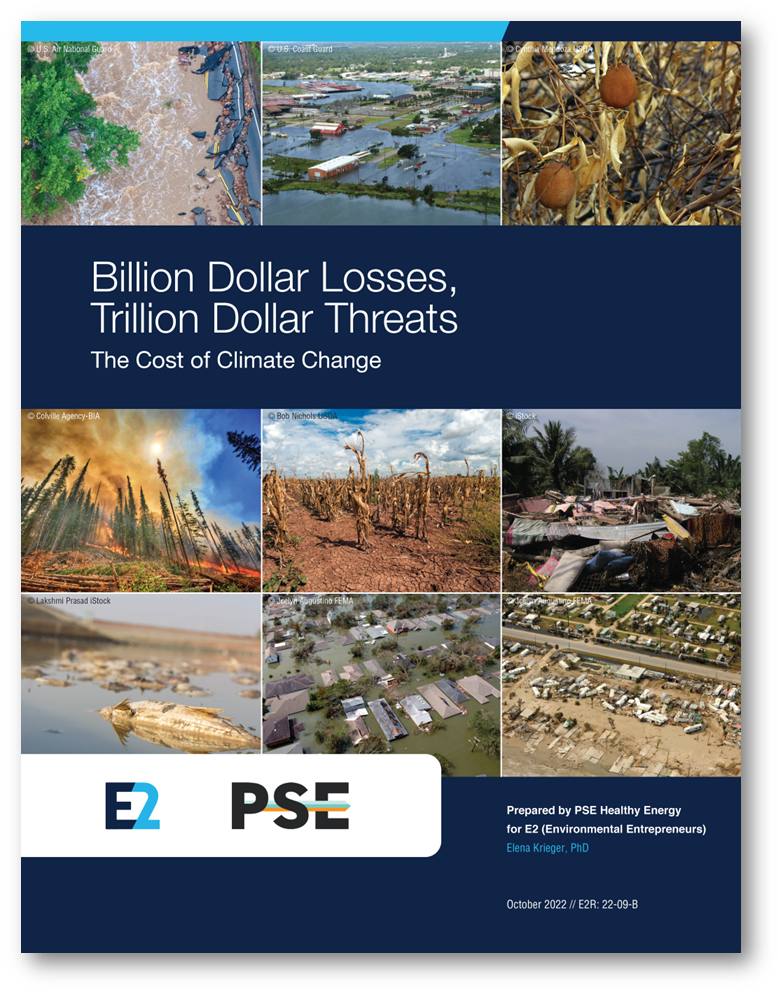
Billion Dollar Losses, Trillion Dollar Threats: The Cost of Climate Change

Date: October 19, 2022

Summary:

Billion Dollar Losses, Trillion Dollar Threats: The Cost of Climate Change reviews the escalating toll of billion-dollar disasters over the last forty years and provides insight into how these disasters—from hurricanes and flooding to wildfires—are compounded by other extreme weather events, such as record-breaking drought, heat waves, and rainfall.

The trends identified in the report are concerning for America’s economy. Every state in the country has been impacted and faces risks from rapidly escalating  weather and climate disaster damages, with a third of all losses since 1980 occurring in the last five years. From 2017-2021, America experienced its four most expensive wildfires, two of its three most expensive hurricanes, and its most expensive winter storm with economic losses from all disasters totaling $765 billion.

This field is for validation purposes and should be left unchanged.

Findings

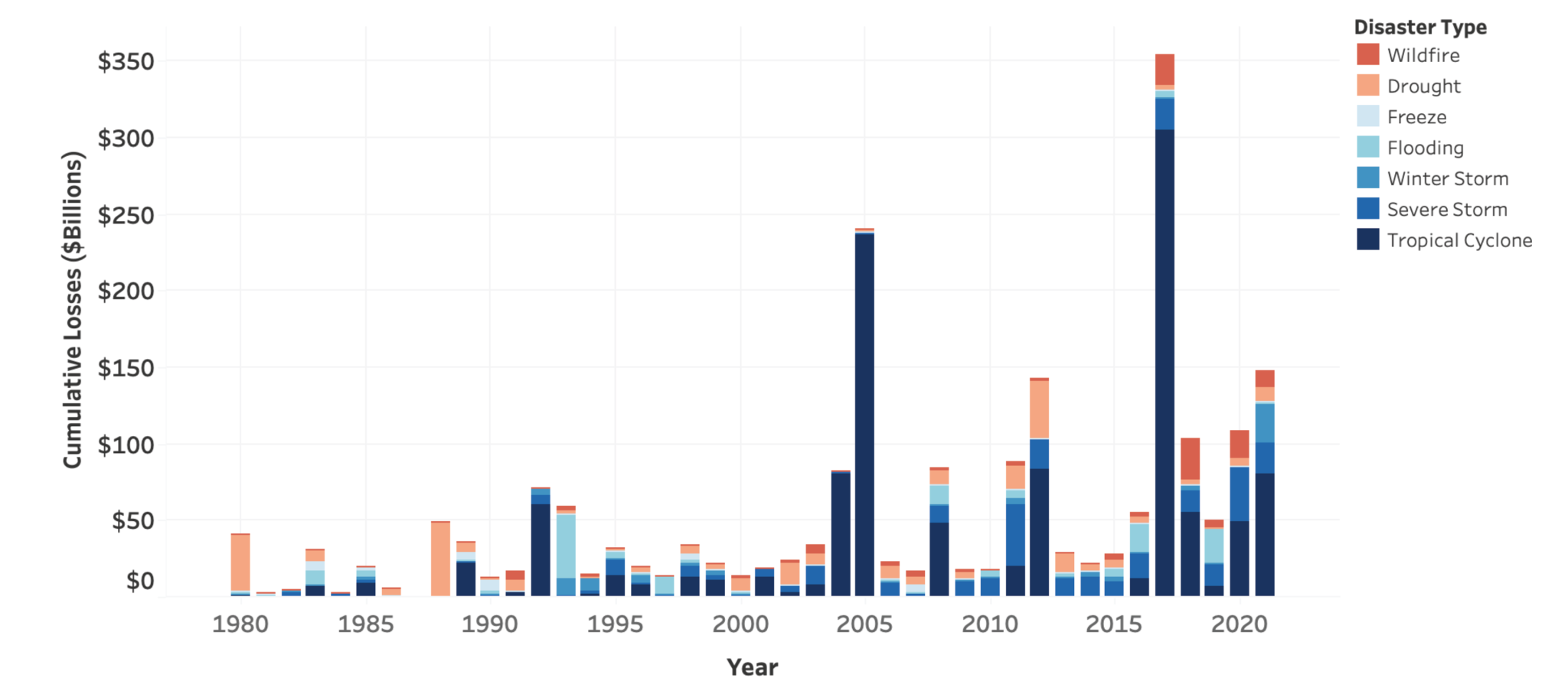
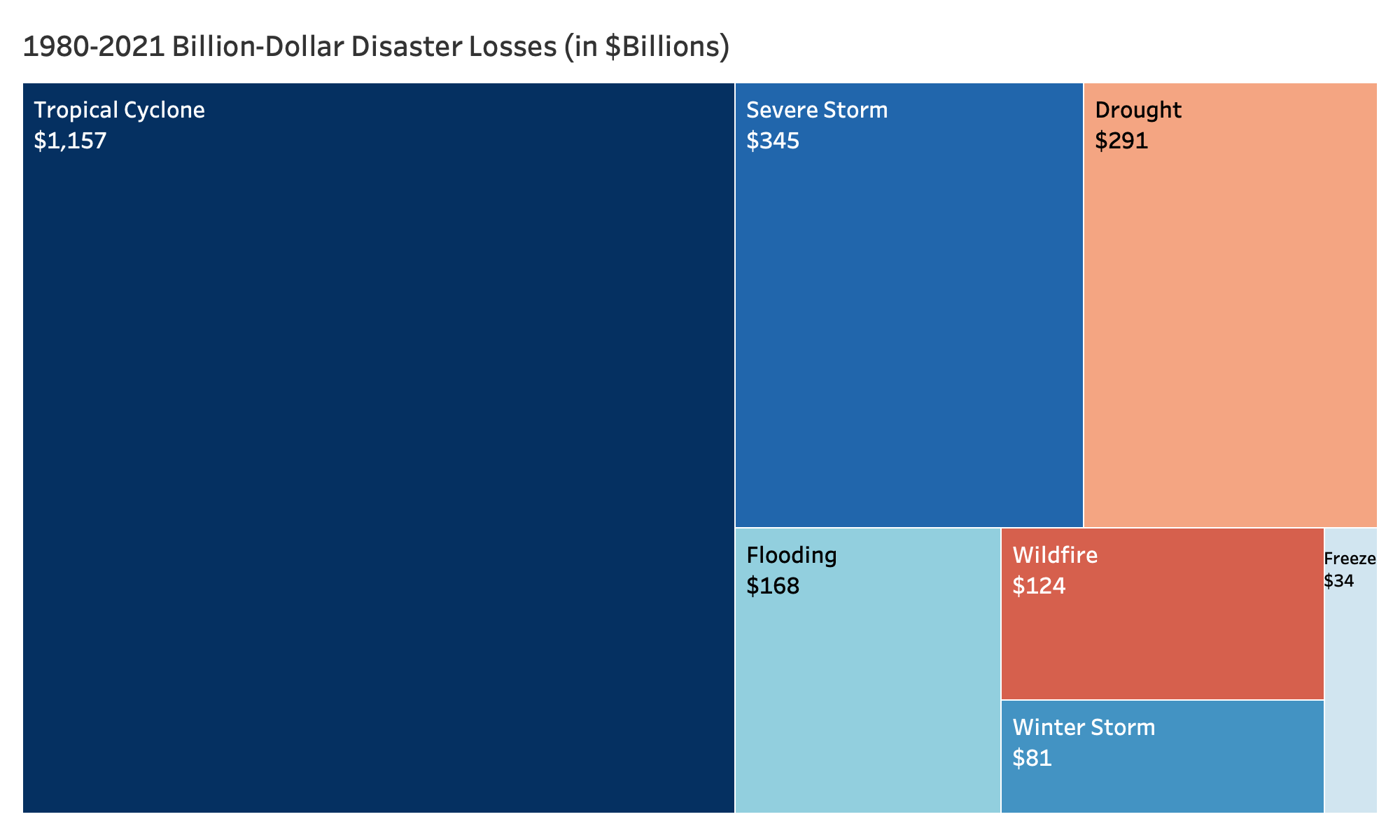
Billion-dollar weather and climate disasters in the form of hurricanes, severe storms, drought, flooding, wildfires, winter storms, and freezing have led to $2.2 trillion in losses since 1980 (see Figure 1) (NOAA, 2022). Across the United States, climate change is exacerbating extreme weather events and severely damaging infrastructure, buildings, roads, and cropland. Annual losses from billion-dollar disasters during the last five years—totalling $765 billion in losses and more than 4,500 deaths from 2017 to 2021—were nearly eight times higher than in the 1980s (NOAA, 2022). While billion-dollar disasters are responsible for an estimated 80 percent of total disaster-related losses, the combination of smaller disasters, heat waves, and ongoing business disruptions that are not captured mean the overall economic turmoil is even greater than this analysis details.

Climate change is not the sole driver of natural disasters, but it contributes to their frequency and severity. The world has warmed nearly 1.1 ˚C since 1880 (NASA, 2022), and warming is likely to exceed 1.5 ˚C in the near term, even with significant efforts to curb greenhouse gas emissions (Pörtner, 2022). Each year from 2001 through 2021 were among the 22 hottest years on record (NASA, 2022), and record-breaking temperatures led to a new high of 130 ˚F in Death Valley in 2021.1 These extreme weather events have widespread impacts: a recent analysis from the Washington Post estimated that in 2021 alone, a federal disaster emergency was declared in the home county of more than 40 percent of Americans (Kaplan et al., 2022).

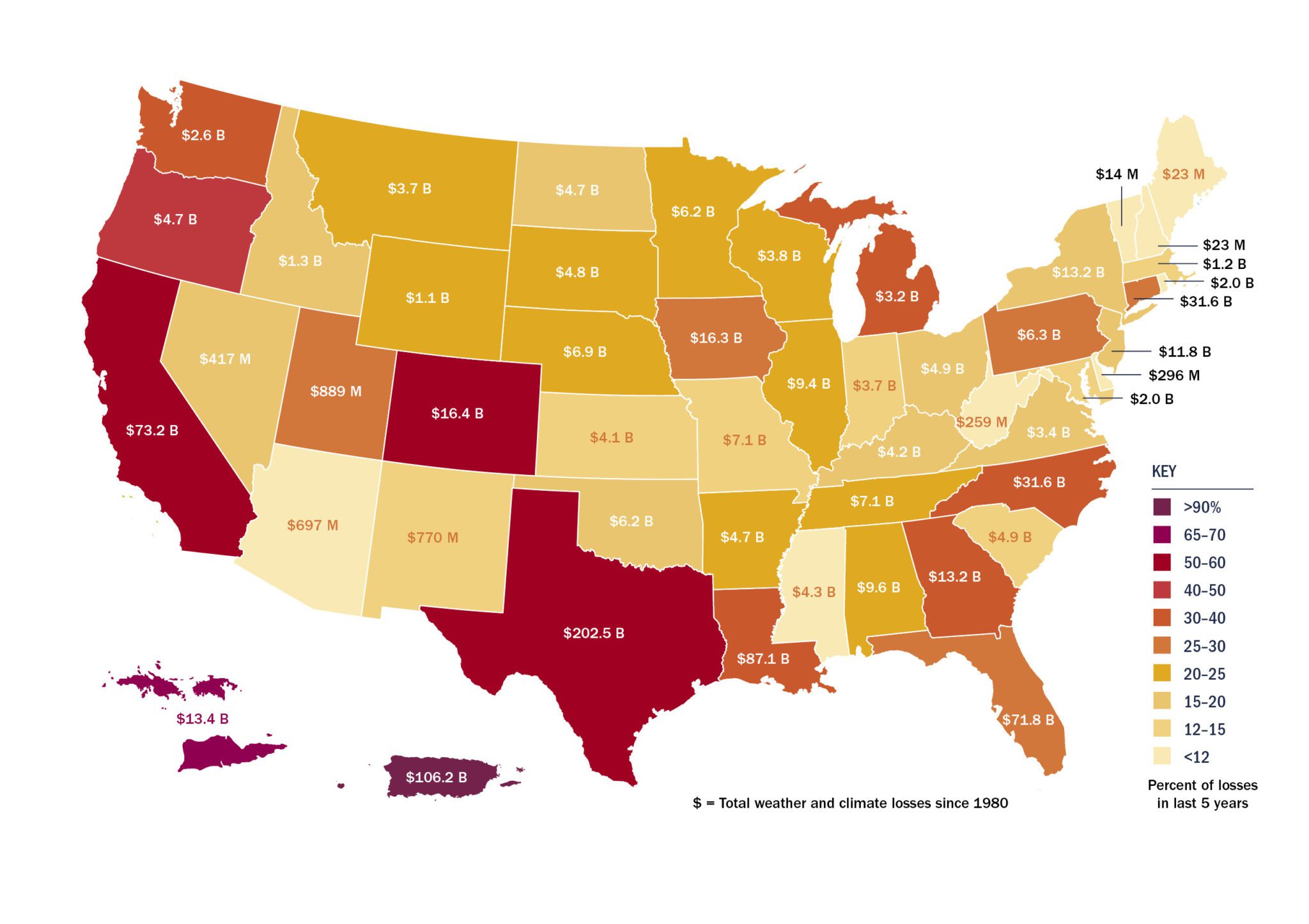
The frequency of climate-related disasters are rising, too. Between 2017 and 2021, the United States experienced its four most-expensive wildfires, two of its three most expensive hurricanes, and its most expensive winter storm (NOAA, 2022). The percentage of state’s total historic weather and climate disaster losses that occurred in the last 5 years is shown in Figure 3.

Figure 1 // Billion-dollar disasters across the U.S. are growing in number and severity

(data source: NOAA, 2022).

Figure 3 // Percentage of state’s total historic losses from weather and climate disasters in last 5 years (total losses shown in text)

(data source: NOAA, 2022).

Figure 2 // Billion-dollar climate- and weather-related disasters accounted for 80 percent of disaster-related losses, totaling $2.2 trillion from 1980-2021 (shown in $billions below).

(data source: NOAA, 2022).

About this Report

This report reviews the historic and projected economic toll of weather and climate disasters across the United States since 1980. It assess trends related to specific types of disasters—such as wildfires or hurricanes—as well as across regions, sectors, and over the course of decades. Such an analysis inherently reflects uncertainty associated with both historic impacts, for which data can be limited, as well as for future projections, which depend on future emissions scenarios and complex climate modeling. This analysis largely discusses total economic impacts of these disasters, but this metric is somewhat limited as well: it may be much harder for a low-income household to recover from the flooding of a less expensive house than for a wealthier household to recover from damage to a more expensive house, even if the total monetary damage of the latter is larger. Given these limitations, the report still aims to summarize the scale of weather and climate damage across the United States, the risk of escalating costs in a warming climate, and the need to rapidly invest in both climate mitigation and adaptation.

Disproportionate Impacts

Low-income communities, communities of color, and other historically underserved and overburdened face elevated risks from climate change. Recent research has found that future flooding is more likely to occur in low-income neighborhoods, communities of color, and places with a disproportionate share of industrial pollution (Marlow, 2022). Historically redlined communities which are still disproportionately home to people of color are more likely to be heat islands today (Plumer & Popovich, 2020), increasing risks for these populations as temperatures rise. Not addressing these inequities in climate policy risks exacerbating environmental health and socioeconomic inequities (Shonkoff et al, 2011), but targeted investments co-designed with communities can help reduce the disproportionate impacts of extreme weather (NASEM, 2022).

View Report »

Clean Jobs Midwest 2022

Date: August 11, 2021

A Return to Rapid Growth, with Clean Vehicle Jobs Driving Ahead

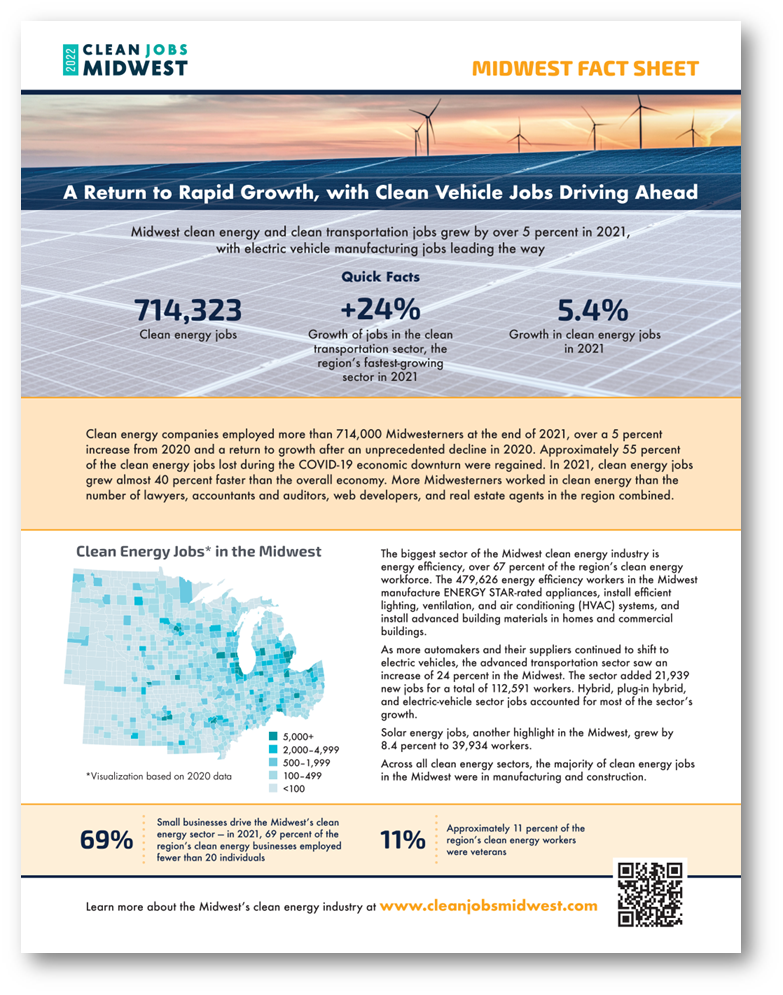
Clean energy companies employed more than 714,000 Midwesterners at the end of 2021, over a 5 percent increase from 2020 and a return to growth after an unprecedented decline in 2020. Approximately 55 percent of the clean energy jobs lost during the COVID-19 economic downturn were regained. In 2021, clean energy jobs grew almost 40 percent faster than the overall economy. More Midwesterners worked in clean energy than the number of lawyers, accountants and auditors, web developers, and real estate agents in the region combined.

The biggest sector of the Midwest clean energy industry is energy efficiency, over 67 percent of the region’s clean energy workforce. The 479,626 energy efficiency workers in the Midwest manufacture ENERGY STAR-rated appliances, install efficient lighting, ventilation, and air conditioning (HVAC) systems, and install advanced building materials in homes and commercial buildings.

As more automakers and their suppliers continued to shift to electric vehicles, the advanced transportation sector saw an increase of 24 percent in the Midwest.

The sector added 21,939 new jobs for a total of 112,591 workers. Hybrid, plug-in hybrid, and electric-vehicle sector jo

MIDWEST HIGHLIGHTS

  • Energy Efficiency – 479,626 jobs
  • Clean Vehicles – 112,591 jobs
  • Renewable Energy – 88,898 jobs
  • Grid & Storage – 25,279 jobs
  • Clean Fuels – 7,928 jobs
  • ALL Clean Energy Sectors – 714,323 jobs

OTHER KEY FINDINGS

  • Clean energy occupations accounted for 23% of all construction jobs and 4% of all
    manufacturing jobs in the Midwest.
  • Small businesses drive Midwest’s clean energy sector – in 2021, 69% of Midwest’s clean
    energy businesses employed fewer than 20 people.
  • 11% of Midwesterners employed in clean energy are veterans

DOWNLOAD

The complete report along with interactive breakdowns for all states is available at this link.

PREVIOUS CLEAN JOBS MIDWEST REPORTS

View Report »

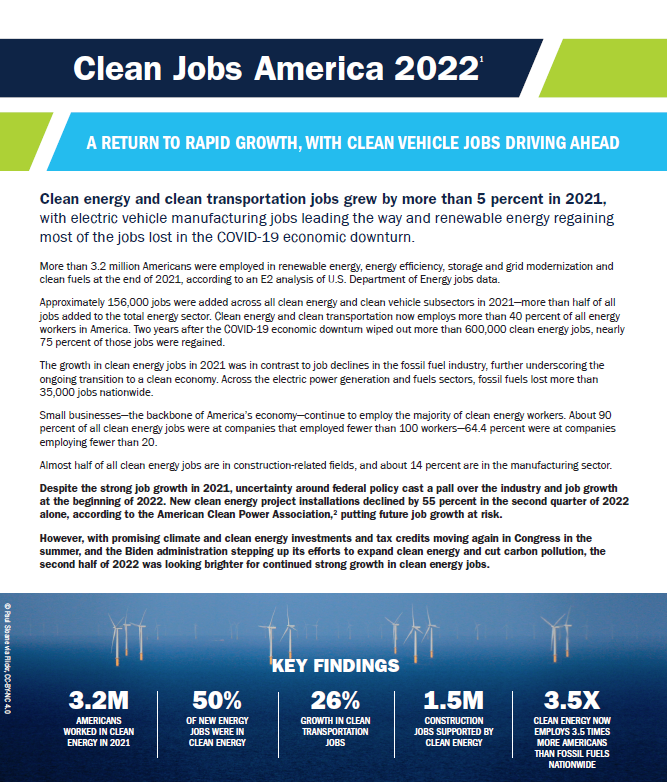
Clean Jobs America 2022

Date: August 3, 2022

A return to rapid growth, with clean vehicle jobs driving ahead

Summary:

Clean energy and clean transportation jobs grew by more than 5 percent in 2021, with electric vehicle manufacturing jobs leading the way and renewable energy regaining most of the jobs lost in the COVID-19 economic downturn.

More than 3.2 million Americans were employed in renewable energy, energy efficiency, storage and grid modernization and clean fuels at the end of 2021, according to an E2 analysis of U.S. Department of Energy jobs data.

Approximately 156,000 jobs were added across all clean energy and clean vehicle subsectors in 2021—more than half of all jobs added to the total energy sector. Clean energy and clean transportation now employs more than 40 percent of all energy workers in America. Two years after the COVID-19 economic downturn wiped out more than 600,000 clean energy jobs, nearly 75 percent of those jobs were regained.

This field is for validation purposes and should be left unchanged.

Findings

  • 3.2 million Americans now work in clean energy, up 5 percent from a year earlier.
  • Every clean energy subsector, from renewables and energy efficiency to electric vehicles and grid modernization, grew last year. Conversely, fossil fuel jobs fell 4 percent.
  • While clean jobs grew along with most of the rest of the economy in 2021, they are still well below their pre-COVID peak, in part because of lingering uncertainty around federal policy.
  • California, Texas and New York continue to lead the U.S. in total clean energy jobs. Following (in order) were Florida, Illinois, Michigan, Massachusetts, Ohio, North Carolina and Pennsylvania.
  • New Mexico saw the biggest percentage growth in clean energy jobs last year after it passed some of the most promising clean energy policies in the country. But other states – led by Oklahoma, Kentucky, Indiana and Idaho – are also benefiting. Clean energy investments included in the Inflation Reduction Act would drive more job growth in those states and others.
  • Clean vehicles were the big story in 2022. Jobs building electric vehicles grew by a dramatic 26 percent. Many Republican-led states, including Georgia, Kentucky, Texas and Tennessee, benefited greatly from expansions of EV and other clean transportation manufacturers, and also would benefit from electric vehicle tax credits included in the Inflation Reduction Act.
  • Small businesses, the backbone of America’s economy, continue to employ the majority of the clean energy workforce. About 90 percent of all clean energy jobs were at companies that employed fewer than 100 workers.

Despite the strong job growth in 2021, uncertainty around federal policy cast a pall over the industry and job growth at the beginning of 2022. New clean energy project installations declined by 55 percent in the second quarter of 2022 alone, according to the American Clean Power Association, putting future job growth at risk.

However, with promising climate and clean energy investments and tax credits moving again in Congress in the summer, and the Biden administration stepping up its efforts to expand clean energy and cut carbon pollution, the second half of 2022 was looking brighter for continued strong growth in clean energy jobs.

2022 Clean Energy Employment Toplines

Total Clean Energy 3,201,602
Renewable Energy 515,248
Grid & Storage 143,052
Energy Efficiency 2,164,914
Clean Fuels 39,096
Clean Vehicles 339,291

Looking for More Info?

This is the seventh annual Clean Jobs America report produced by E2 based on analysis of the USEER, which was first released by the DOE in 2016. E2 was an original proponent of the DOE producing the USEER, and was a partner on the reports produced by the Energy Futures Initiative (EFI) and National Association of State Energy Officials (NASEO) after the Trump administration abandoned it in 2017.

If you are looking for additional insight into E2’s Clean Jobs America 2022 or our other clean energy employment reports, visit e2.org/reports. A FAQ is also available here to answer any questions.

Previous Reports

Clean Jobs America 2022 is the 7th national clean energy jobs report from E2. Previous reports can be accessed in the below links.

View Report »

Building Opportunity: New York

Date: April 26, 2022

The Jobs, Economic and Equity Benefits of Decarbonizing
and Electrifying Buildings Across the Empire State


Summary

New York State is home to more than 120,000 workers engaged in work directly related to decarbonizing and electrifying buildings across the state. This includes work like installing electric induction stoves in apartment buildings on Staten Island, replacing old insulation in the attics of single-family homes in Plattsburgh and fitting new pipes for geothermal heating and cooling systems in commercial buildings in Rochester.

To better understand how decarbonizing and electrifying New York’s buildings would impact the state’s labor market, E2 took a deeper dive into the state’s overall building decarbonization and electrification employment data.

By looking at five employment areas — technology; value chain; residential and commercial energy efficiency; electrification, building envelope and other energy efficiency; and a specific occupational analysis — we found that:

  • In New York State, building decarbonization and electrification employment is 2.2 times greater than employment in fossil fuels as they relate to buildings.
  • While New York City, Long Island and the mid-Hudson Valley are home to the majority of the state’s building decarbonization and electrification jobs, Western New York, the Finger Lakes, Central New York, the Southern Tier, the North Country and every other region in the state is home to thousands of building decarbonization workers, and all counties and regions stand to gain from stronger building decarbonization and electrification policies.
  • Statewide, there are 73,000 workers involved in residential building decarbonization; nearly 48,000 work helping to decarbonize commercial buildings, suggesting broad opportunities across the state’s building stock, from ranch houses to apartments and high-rise office buildings to commercial buildings and industrial parks.
  • In 2020, average annual wages for five occupations within building decarbonization and electrification in New York State ranged from $48,800 (for workers who are involved in insulation, floors, ceilings and walls) to $81,200 (electricians)
  • The education required for entry-level jobs and the on-the-job training received varies
    depending on the occupation, suggesting a broad range of opportunities for workers
    across New York State.

Building Decarbonization and Electrification Employment by Technology, 2020

Energy Star 36,005
High Efficiency HVAC & Renewable H&C 35,315
Traditional HVAC 32,520
Other 8,993
Advanced Materials & Insulation 8,128
Total 120,961

Jobs Growth Potential 

While 120,000 workers represent a sizable segment of New York State’s current overall labor force, the number of people who work on building decarbonization and electrification is expected to dramatically increase in the coming decades. By 2050, over 400,000 New Yorkers could be expected to work in building decarbonization and electrification — nearly four times as many as today.

Policy Leading the Way

Power sector policies have helped put New York at the center of the nation’s rapidly growing clean energy industry. In 2019 the state enacted the Climate Leadership and Community Protection Act (CLCPA), which sets targets and timelines for economy-wide emissions reductions, requires at least 35 percent of climate action benefits directly impact environmental justice and disadvantaged communities, and establishes the New York Climate Action Council (CAC) to oversee the efforts required to meet these nation-leading climate and equity commitments.

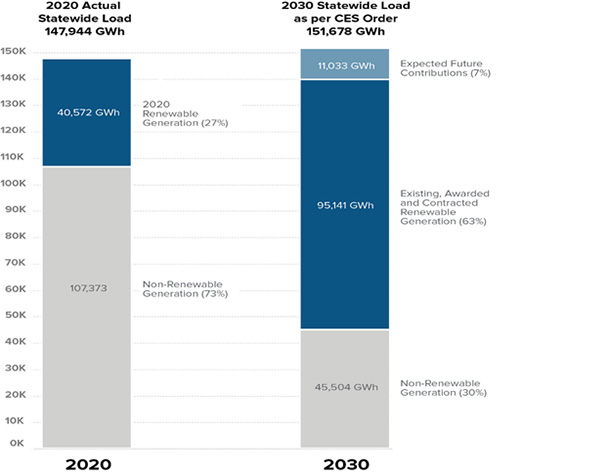
The state is already on track to meet CLCPA goals of sourcing 70 percent of its electricity supply from renewable energy by 2030, and making it 100 percent emissions-free by 2040. With buildings now representing a significant portion of economy-wide emissions, additional policies that could help equitably accelerate this shift include: better building codes; standards that help make appliances and other equipment found in residences and commercial buildings more efficient; statewide legislation that helps modernize new buildings; facilitating more disclosure of how buildings consume energy; eliminating fossil fuel subsidies while aligning incentives with state and local climate goals; and scaling up green, affordable housing.

Credit: NYSERDA.

DOWNLOAD

Download the complete report at at this link.

BACKGROUND

This is the first Building Opportunity: New York report produced by E2 based on analysis of the USEER, which was first released by the DOE in 2016. E2 was an original proponent of the DOE producing the USEER and was a partner on the reports produced by the Energy Futures Initiative (EFI) and National Association of State Energy Officials (NASEO) after the Trump administration abandoned it in 2017.

View Report »

North Carolina Offshore Wind Cost-Benefit Analysis

Date: January 19, 2022

SUMMARY

Over the next decade offshore wind is expected to play a significant role in decarbonizing the U.S. electric sector, and especially along the East Coast. When states are considering offshore wind goals, they will certainly evaluate the myriad of associated costs and benefits.

This analysis was developed to help decision makers quantify some of the economic development and environmental benefits associated with offshore wind. This analysis calculates the costs and benefits associated with a single 2.8-gigawatt (GW) offshore wind project off the coast of North Carolina in operation by 2030. Both a base scenario, assuming a standard amount of local manufacturing/supply chain content, and a high local content (or “high”) scenario, were developed.

The high scenario assumes 100% local content for both the blades and offshore substations of a single 2.8GW theoretical project. Content assumptions are based on findings from the March 2021 offshore wind supply chain study conducted on behalf of the North Carolina Department of Commerce, which indicates these components being most likely to locate production in-state. While not within the scope of this calculation, it is important to highlight the compounded value that new or expanded offshore wind supply chain capabilities located in North Carolina will create. In addition to providing economic benefit to the state through projects developed off the coast of North Carolina, offshore wind manufacturers will also supply components for projects along the Atlantic coast or potentially across the country or the globe — generating continued economic benefit to the state, absent the cost of generating electricity.

RESULTS

DOWNLOAD

View and download the complete report at at this link.
View and download a one-page summary of the report’s key findings at this link.

BACKGROUND

Recently codified in state-level legislation, North Carolina has asserted the carbon-reduction goal of 70% by 2030 and to achieve carbon neutrality by mid-century4 . To that end, the Governor’s administration, the North Carolina General Assembly, and Duke Energy have all endeavored to examine pathways to reliably and costeffectively decarbonize the state’s electric grid5,6,7,8. While offshore wind has occasionally been an element of these discussions, due to relative cost and nascency of the U.S. offshore wind industry, it hasn’t been evaluated as a primary tool for decarbonization.

Absent from any of the decarbonization modeling or stakeholder processes conducted in the state since 2018 is the consideration of the economic benefits that accompany offshore wind. According to the American Wind Energy Association (AWEA), now the American Clean Power Association (ACP), an estimated 30GW of offshore wind deployment in the U.S. by 2030 could generate as much as $57 billion in economic output9 . As such, the inclusion of these benefits is critical when understanding the full value of the technology.

This analysis determines both the costs and benefits of a theoretical 2.8-gigawatt (GW) offshore wind project developed off the coast of North Carolina in operation by 2030 using industry-standard practices, data, and modeling tools. The costs and benefits are measured against one another to determine the net economic impact.

PREVIOUS REPORTS

View Report »

Clean Jobs Colorado 2021

Date: December 13, 2021

The Promise of a Bright Future and Strong Economy

Summary:

Driven by the impact of the COVID-19 pandemic and resulting economic crisis, Colorado experienced its first decline in clean energy jobs in 2020 since E2 began tracking the industry with this methodology in 2017. Colorado’s clean energy economy employed more than 58,000 workers at the end of 2020, down from 62,400 the year before, according to an analysis of Bureau of Labor Statistics data and the findings of a national survey of more than 35,000 businesses across the U.S. economy.

By May of last year, more than 7,500 clean energy workers in Colorado had lost their jobs since the COVID-19 pandemic began spreading widely, according to monthly analysis of unemployment data by E2 and partners.2 Since the sector’s losses peaked at the end of May 2020, jobs grew back by 6 percent. In fact, by the end of 2020 more than about 40 percent of the clean energy jobs lost between March and May had been regained, leaving the sector down about 7 percent (about 4,200 jobs) since COVID-19.

Thanks to smart state climate policy leadership, Colorado’s clean energy economy has proven to be a core part of the state’s economy—representing more than 2 percent of overall state employment. It has been resilient and robust in the face of crushing economy-wide pressures.

This field is for validation purposes and should be left unchanged.

Findings

  • Colorado’s Clean Vehicles sector, made up of Hybrid Electric Vehicles, PlugIn Hybrid Vehicles, Electric Vehicles, Natural Gas Vehicles, and Hydrogen & Fuel Cell, grew almost 6 percent over the previous year, as automakers increasingly shift to cleaner and more efficient electric cars, trucks, and buses. With smart policies, Colorado can be a center for innovation and high-tech manufacturing in this sector.
  • The most significant sector decline was in the Energy Efficiency sector, where the pandemic curtailed in-person engagement with customers.
  • The total clean energy generation sector ended the year with a 3 percent loss. Wind and solar gained jobs, while geothermal, bioenergy/combined heat & power and low-impact hydro took the hit in job losses.

Colorado Clean Energy Employment, 2020

Energy Efficiency 32,595
Renewables 17,324
Clean Vehicles 3,392
Storage and Grid 2,912
Clean Fuels 1,959
TOTAL 58,182

Policies Matter

Colorado’s landmark bill that passed and became law in 2019, Climate Action Plan to Reduce Pollution (HB19-1261),4 and was strengthened during the 2021 legislative session, requires the state to reduce 2025 greenhouse gas emissions by at least 26 percent, 2030 greenhouse gas emissions by at least 50 percent and 2050 greenhouse gas emissions by at least 90 percent of the levels of statewide greenhouse gas (GHG) emissions that existed in 2005. In 2021, HB21-1266 defines disproportionately impacted communities, requires engagement of those communities, and creates staffing, task forces, and boards focused on addressing environmental justice. These two laws inform how agencies are required to meet the GHG reduction goals, in with equity and justice at the forefront.

Several agency commissions are continuing to promulgate rules. The Public Utilities Commission (PUC) is developing rules to affect utilities that provide retail electricity. The Air Quality Control Commission (AQCC) is developing rules to curb emissions in the oil and gas sector and together with the Colorado Department of Transportation Commission are designing rules to electrify transportation, increase transit, walking and biking options, and reduce individual Vehicle Miles Traveled (VMT).

The 2022 legislative session should continue to address GHG emissions, as well as reduce waste, improve recycling, support renewable energy and regional transmission, improve monitoring emissions of oil and gas operations, and other policies in support of the environment and the clean economy.

Background

This is the fourth annual Clean Jobs Colorado report produced by E2 based on analysis of the USEER, which was first released by the DOE in 2016. E2 was an original proponent of the DOE producing the USEER and was a partner on the reports produced by the Energy Futures Initiative (EFI) and National Association of State Energy Officials (NASEO) after the Trump administration abandoned it in 2017.

For additional insight into E2’s Clean Jobs Colorado or our other annual clean energy economic reports, visit e2.org/reports.

An FAQ is available at e2.org/reports/clean-jobs-america-faq.

Previous Reports

Clean Jobs Colorado 2021 is the 5th clean energy jobs report for California from E2. Previous reports can be accessed in the below links.

View Report »

Most Monumental Investment in US Economy’s Future Slated to Pass House

WASHINGTON, DC – The core of President Biden’s Build Back Better agenda is set up for a vote in Congress in the House as early as tonight. If passed and signed into law, the Build Back Better Act would represent the largest federal investment in the economy and combatting climate change. Statement from Sandra Purohit, […]

Sign Up for Email Updates


"*" indicates required fields

This field is for validation purposes and should be left unchanged.

Our Latest Press Releases


Releases

E2: Repealing EPA’s Endangerment Finding For Vehicle Emissions Raises Costs for Businesses and Consumers

The EPA officially revoked the endangerment finding for greenhouse gas (GHG) emissions and eliminated clean vehicle standards in a blow to both our economy and our environment.


Releases

E2: Companies Cancelled $34.8B, 38K Jobs for Clean Energy Projects in 2025, Outpacing New Investments 3-to-1

Businesses abandoned $5.1 billion in large-scale factories and clean energy projects in December, capping a turbulent year for the sector that saw nearly $35 billion in investments disappear along with more than 38,000 current and future jobs, according to ...


Releases

E2: Trump Administration’s Latest Attempt to Kill Offshore Wind Hurts Consumers, Businesses

The Trump administration is trying to halt offshore wind projects that are well-underway just two weeks after their initial attempt was deemed arbitrary and capricious by a federal judge.


Donate Today