District-By-District | 2019 Clean Energy Jobs in Oregon

Date: January 22, 2019

Despite a population of just 4 million, Oregon’s clean energy economy ranks 14th in solar jobs and in the top 21 in energy efficiency, wind energy, clean fuels, grid and storage, renewable energy, and total clean energy jobs.

Thanks to policies like the Renewables Portfolio Standard, Clean Fuels Program and Coal to Clean that are driving development of infrastructure projects like solar arrays and wind farms, more than 55,000 Oregonians across every county in the state work in the clean energy sector according to E2’s Clean Jobs Oregon 2018 report released in December.

But these statewide numbers only tell part of the clean energy success story in Oregon. Below is a district-by-district look at the jobs and economic benefits that have resulted from Oregon’s climate policies.

Clean Jobs | District-By-District

Analysis of Clean Energy’s Economic Benefits Across Oregon (updated for 2019)

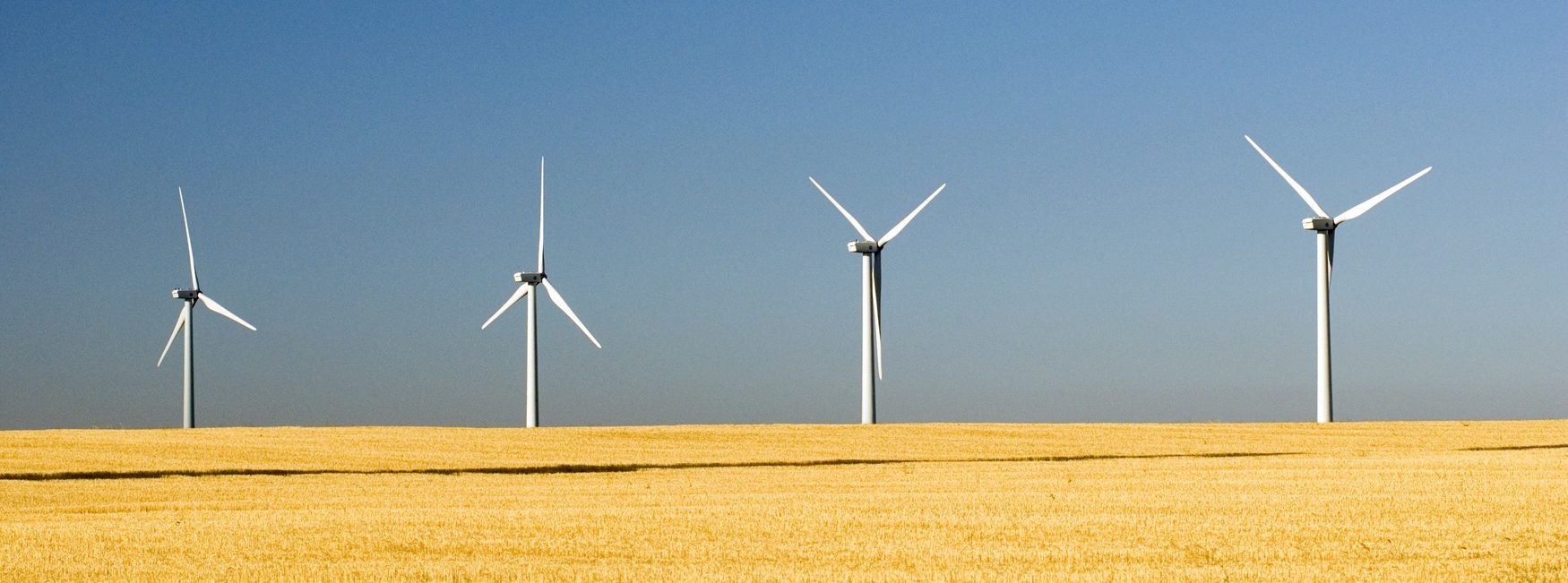
Iberdrola Renewables’ Klondike III windfarm in Oregon // Credit: NREL

Oregon’s Statewide 2018 Clean Energy Jobs Report
Who Are My Representatives?


View Report »

Clean Jobs Oregon 2018

Date: December 13, 2018

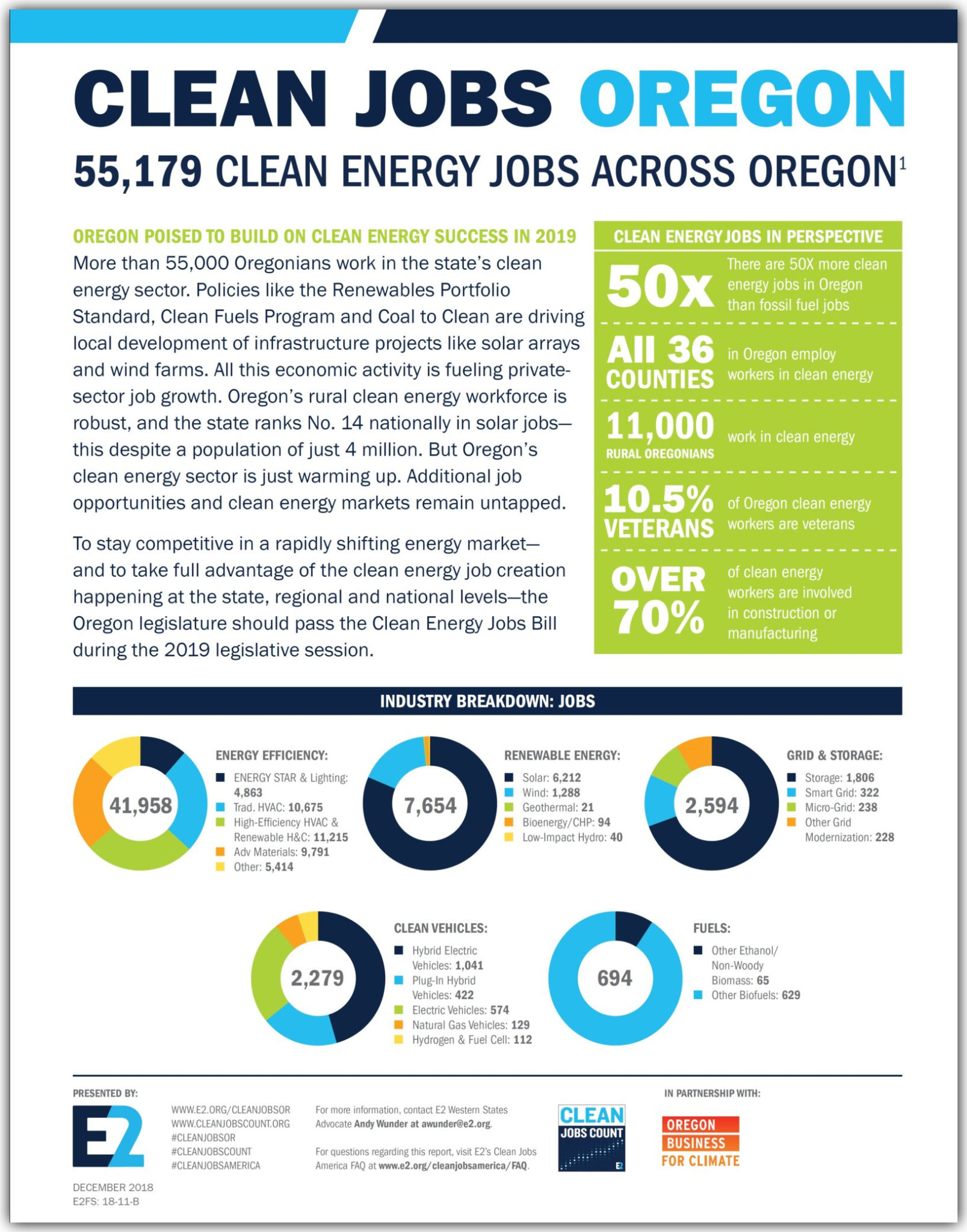
OREGON POISED TO BUILD ON CLEAN ENERGY SUCCESS IN 2019

More than 55,000 Oregonians work in the state’s clean energy sector. Policies like the Renewables Portfolio Standard, Clean Fuels Program and Coal to Clean are driving local development of infrastructure projects like solar arrays and wind farms. All this economic activity is fueling private-sector job growth. Oregon’s rural clean energy workforce is robust, and the state ranks No. 14 nationally in solar jobs—this despite a population of just 4 million. But Oregon’s clean energy sector is just warming up. Additional job opportunities and clean energy markets remain untapped.

To stay competitive in a rapidly shifting energy market—and to take full advantage of the clean energy job creation happening at the state, regional and national levels—the Oregon legislature should pass the Clean Energy Jobs Bill during the 2019 legislative session.

A BIGGER PICTURE

This report focuses solely on the energy sector of the economy and does not include jobs in retail trade, repair services, water or waste

management, and indirect employment or induced employment.

HIGHLIGHTS:

  • Energy Efficiency Jobs – 41,958
  • Renewable Energy Jobs – 7,654
  • Solar Jobs – 6,212
  • Wind Jobs – 1,288
  • Energy Storage Jobs – 2,594
  • Clean Vehicle Jobs – 2,279
  • TOTAL Oregon Clean Energy Jobs – 55,179

LOOKING FOR MORE INFO?

For an even deeper dive into the breakdown of clean energy jobs for Oregon visit E2’s District-By-District Clean Energy Jobs in Oregon page for factsheets on jobs in every Oregon state legislative district.

Visit e2.org/reports or see Clean Jobs Count for a full interactive jobs breakdown of every U.S. state and clean energy industry. You can also contact E2 Communications Director Michael Timberlake ([email protected]). An FAQ is also available here to answer any questions.

DOWNLOAD

The complete report is available for download here.


View Report »

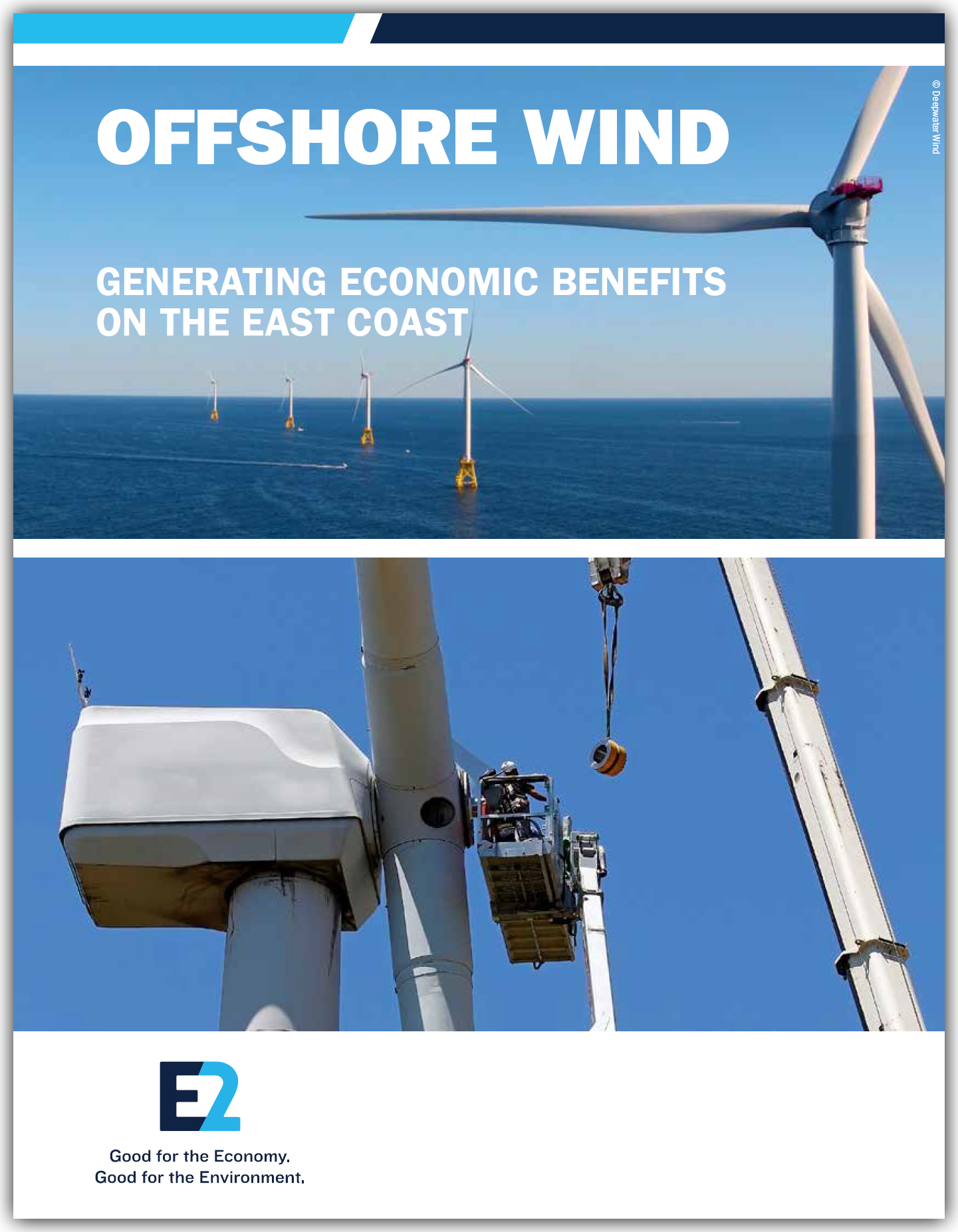
Offshore Wind: Generating Economic Benefits on the East Coast

Date: August 30, 2018

REPORT

The U.S. offshore wind industry is poised for substantial growth, thanks to falling costs and increasing recognition by state and federal policy makers that there are tremendous economic benefits in harnessing clean, renewable energy offshore. BW Research, on behalf of E2, found that if each of the five states below added an average-sized offshore wind energy farm (352 MW) nearly 25,000 construction and operational jobs would be created up and down the eastern seaboard. The Department of Interior is developing lease sales for a strong pipeline of projects in this region—28 in total—which could equal 23,735 MW of new generating capacity, which if all developed would result in tens of thousands of more jobs and added economic benefits for those states. Through its expected growth over the next several years, offshore wind energy has the potential to significantly add to the Gross Regional Product (GRP) and state and federal tax revenues of South and North Carolina, Virginia, New Jersey, and New York.

OFFSHORE WIND ECONOMIC POTENTIAL:

  • If New York, New Jersey, Virginia, North Carolina, and South Carolina added an average-sized offshore wind energy farm (352 MW), nearly 25,000 jobs and $3.6 billion would be added to the states’ economies.
    • South Carolina – 5,647 jobs and $878 million economic benefits
    • North Carolina – 5,522 jobs and $710 million economic benefits
    • Virginia – 4,377 jobs and $641 million economic benefits
    • New Jersey – 4,313 jobs and $702 million economic benefits
    • New York – 4,063 jobs and $737 million economic benefits

OFFSHORE DRILLING’S ECONOMIC RISK

  • A one-month beach and fishing closure due to an oil spill off the coasts of New York, New Jersey, Virginia, North Carolina, and South Carolina would cost over $2.7 billion in GDP and $1.3 billion in lost wages.
    • South Carolina – $117 million in lost wages and $314 million in GDP
    • North Carolina – $57 million in lost wages and $120 million in GDP
    • Virginia – $90 million in lost wages and $175 million in GDP
    • New Jersey – $163 million in lost wages and $307 million in GDP
    • New York – $870 million in lost wages and $1.8 billion in GDP

LOOKING FOR MORE INFO?

If you are looking for additional insight into E2’s Offshore  Wind report, including specific info about a state or to connect with business leaders on the East Coast who support increased offshore wind development and policies that grow clean energy jobs, contact E2 Communications Director Michael Timberlake ([email protected]).

The complete report is available here.


View Report »

Mapping Clean Energy: Missouri

Date: June 6, 2018

Missouri’s clean energy economy is clearly thriving.

But where is all this economic activity happening?

That’s exactly what E2 — along with our partners at FracTracker Alliance — attempted to find out with this series of interactive maps showing the location of more than 400 clean energy businesses across the state as well as sites where renewable energy is generated.

The purpose of these maps is to help policymakers, the media, and individuals better understand the scope of Missouri’s clean energy economy – and how much room it has to grow.

Key Takeaways:

  • There are over 400 businessesdisplayed in the map, which includes energy efficiency contractors and renewable energy (solar, wind, and geothermal) installers, covering all 34 state senate districts.
  • Approximately 75 percent of the state has above average potential for solar power
  • There is 702 MW of utility-scale wind and solar capacity currently installed with 458 MW of wind and solar capacity proposed to be built.

We’ve done our best to capture as many businesses as possible but if you know we’ve missed something, please send an email to Micaela Preskill ([email protected]) and we’ll add it to the map. This map isn’t comprehensive; it represents one snapshot in time of an industry to help you understand just how robust it is, and where it still has room to grow.

How to Use the Maps:

We’ve created 3 maps to show different parts of Missouri’s clean energy economy. One map shows clean energy businesses, one shows renewable energy utility-scale infrastructure, and one shows renewable energy potential.

When viewing the map, zoom in to see the intricacies of what’s happening in each part of the state. If you click “Layers” on the black bar at the top of the map you will see a drop-down menu, which you can use to make data appear or disappear on the map.

For more information about what you’re seeing, click directly on the map. A pop-up box will appear to show you specifics. Use the arrows on the top right of the pop-up box to see all the information that applies to that spot on the map. For example, if you click on a pin representing a energy efficiency contractor, you’ll see information about that business. You can also use the arrow to see what legislative districts that business is in.

The Maps

The Clean Energy Business Map shows locations of energy efficiency contractors and solar, wind and geothermal installers.

The Renewable Energy Infrastructure Map shows utility-scale wind and solar generation facilities larger than 1 MW and schools with solar energy generation.

The Renewable Potential Map shows the potential for wind, geothermal and solar power generation.

Other Resources:

Missouri supports 55, 251 clean energy jobs – 2017 Clean Jobs Midwest Report
Nearly 3.2 million Americans work in clean energy – Clean Jobs America

View Report »

Oppose DTE’s plan to build a gas plant in St. Clair County

As Detroit Edison (DTE) unveils a plan to build a new, 1,100-megawatt gas plant in St. Clair County, Michigan, E2 members sent this letter to mayors across the state, opposing the plan and urging them to prioritize clean energy and cost-effective energy efficiency programs. 

Mapping Clean Energy: Ohio

Date: May 23, 2018

Ohio’s clean energy industry is a significant part of the economy.

But where is all this economic activity happening?

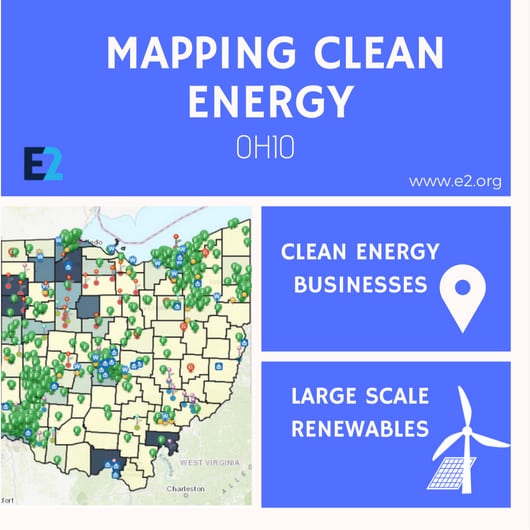
That’s exactly what E2 — along with our partners at FracTracker Alliance — attempted to find out with this interactive map showing the location of clean energy businesses across the state as well as sites where renewable energy is generated.

The purpose of this map is to help policymakers, press and individuals better understand the scope of Ohio’s clean energy economy – and how much room it has to grow.

Strong clean energy standards in Ohio have supported the growth of a healthy industry. There are clean energy businesses in 92 out of Ohio’s 99 state house legislative districts. In particular, energy efficiency contractors dominate the map.

On the map you’ll find:

  • Clean energy businesses: Locations of energy efficiency and solar, wind and geothermal installers.
  • Renewable energy infrastructure: Existing and proposed utility-scale wind, solar and hydroelectric generation facilities larger than 1 MW as well as schools with solar energy generation and public EV fueling stations.
  • State legislative and congressional district boundaries.

We’ve done our best to capture as many businesses as possible but we know we’ve missed some. This map isn’t comprehensive; it represents one snapshot in time of an industry to illustrate how robust it is.

If you know we’ve missed something, please send an email to Micaela Preskill at [email protected] and we’ll add it to the map.

How to Use the Map:

When viewing the map, zoom in to see the intricacies of what’s happening in each part of the state. If you click “Layers” on the black bar at the top of the map you will see a drop-down menu, which you can use to make data appear or disappear on the map.

For more information about what you’re seeing, click directly on the map. A pop-up box will appear to show you specifics. Use the arrows on the top right of the pop-up box to see all the information that applies to that spot on the map. For example, if you click on a pin representing a energy efficiency contractor, you’ll see information about that business. You can also use the arrow to see what legislative districts that business is in.

The Map

Other Resources:

Ohio supports 105, 443 clean energy jobs – 2017 Clean Jobs Midwest Report
Nearly 3.2 million Americans work in clean energy – Clean Jobs America

View Report »

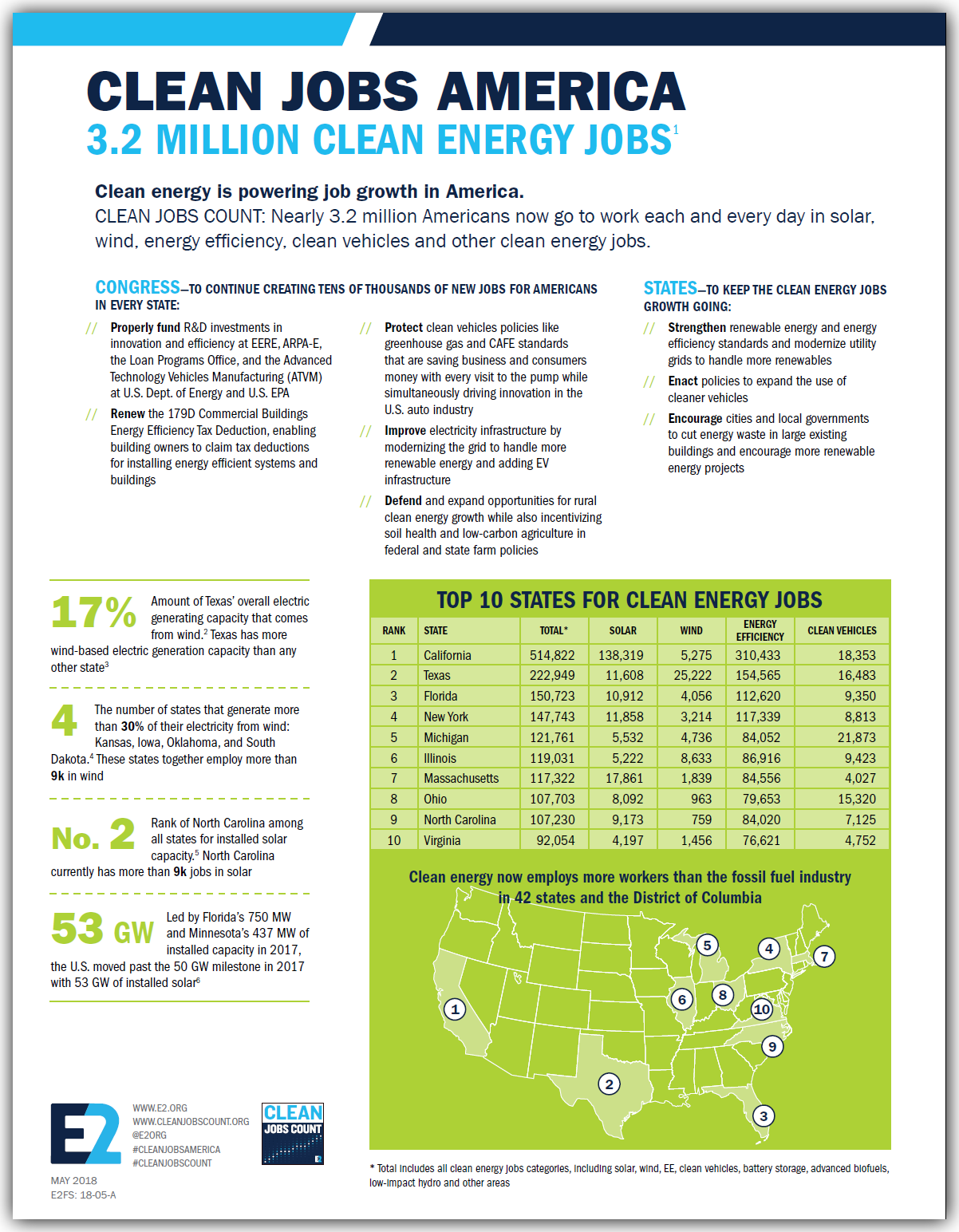
Clean Jobs America 2018

Date: May 16, 2018

POWERING JOBS GROWTH ACROSS AMERICA

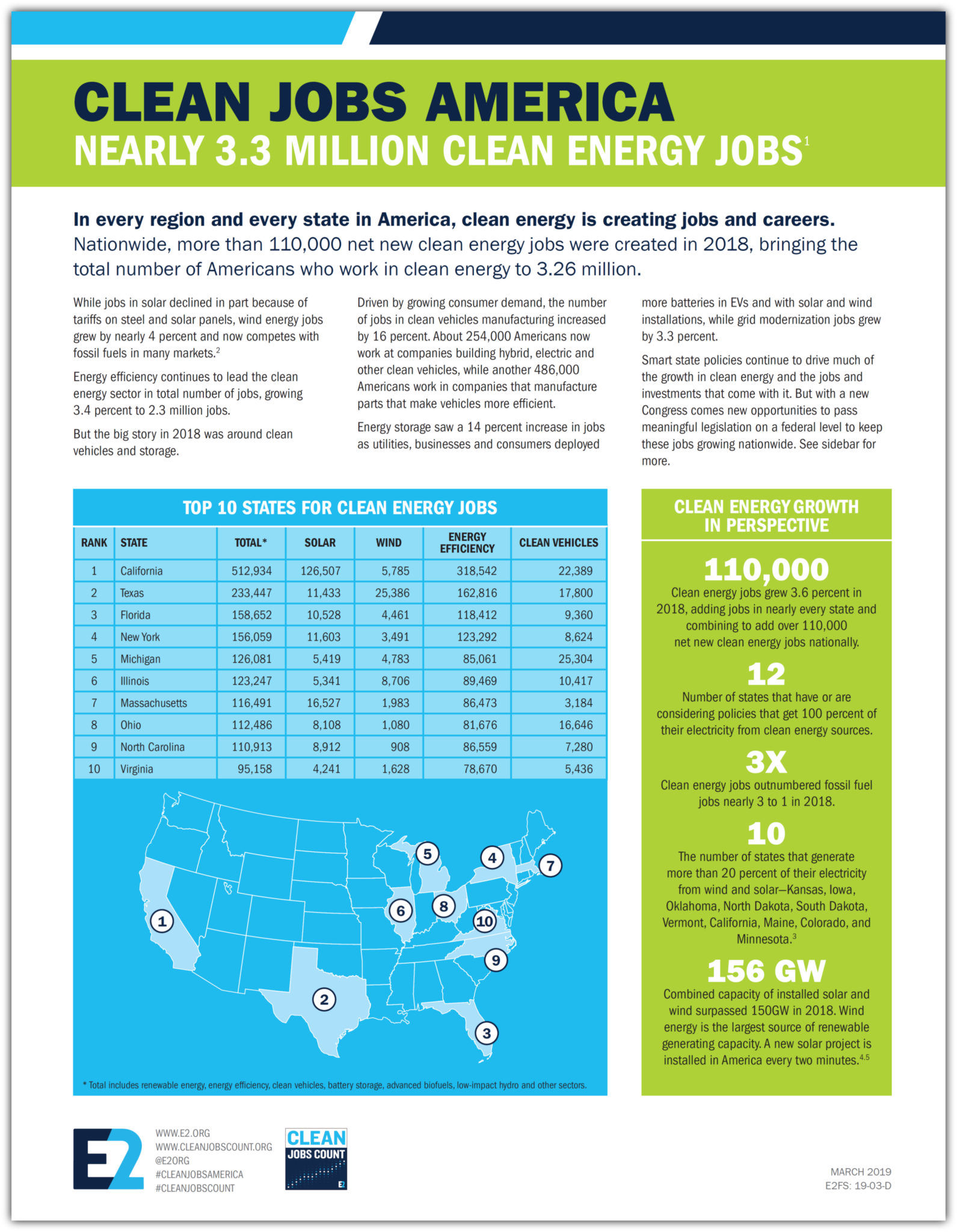
Clean energy is powering job growth in America. Clean jobs count: Nearly 3.2 million Americans now go to work each and every day in solar, wind, energy efficiency, clean vehicles and other clean energy jobs.

HIGHLIGHTS

  • Energy Efficiency Jobs – 2,250,000
  • Solar Jobs – 349,000
  • Clean Vehicle Jobs – 220,000
  • Wind Jobs – 107,000
  • Energy Storage Jobs – 91,000
  • TOTAL US Clean Energy Jobs – 3,177,000

LOOKING FOR MORE INFO?

If you are looking for additional insight into E2’s Clean Jobs America or our other Clean Jobs America reports, visit e2.org/reports or see Clean Jobs Count for a full interactive jobs breakdown of every U.S. state and clean energy industry. You can also contact E2 Communications Director Michael Timberlake ([email protected]). An FAQ is also available here to answer any questions.

DOWNLOAD

The complete report is available for download here.

View Report »

Clean Jobs Rural Midwest

Date: May 10, 2018

Growing Rural Economies

Clean energy creates jobs, supports local tax bases and infrastructure development, while providing new opportunities for farmers—driving economic benefits that are becoming ever more apparent. In rural communities facing economic challenges, investments in wind, solar, and energy efficiency are growing. This report from E2 focuses on one part of America – the rural Midwest – that exemplifies the growth in clean energy jobs in rural areas nationwide.

More than 8,000 new rural clean energy jobs were added in the 12-state Midwest region stretching from Ohio to North Dakota in 2016 alone, bringing the total number of rural Americans who work in clean energy in this region to nearly 148,000 (see Figure 1)—nearly a 6 percent increase over 2015. Of those 148,000 jobs, almost 22,000 are in renewable energy generation, with the rest in energy efficiency and sustainable transportation.

Key Findings

  • Majority of Midwest states have more clean energy jobs per capita in rural areas than urban ones
  • Clean energy employment represents a bright spot in rural communities that have otherwise lost population and jobs
  • Clean energy jobs in the Midwest are growing 6% a year
  • 99% of U.S. wind capacity is in rural areas
  • Nearly 150,000 rural Midwesterners work in clean energy, including almost 22,000 in renewable energy generation
  • More than 8,000 new rural clean energy jobs were added in rural Midwest areas in 2016 alone

Looking for More Info?

This report follows E2’s Clean Jobs America analysis which found the clean energy jobs account for nearly 3.3 million jobs across all 50 states and the District of Columbia. Both reports expand on data from the U.S. Energy and Employment Report (USEER) produced by the Energy Futures Initiative (EFI) in partnership with the National Association of State Energy Officials (NASEO), using data collected and analyzed by the BW Research Partnership. E2 is a partner on the USEER, the fourth installment of the energy survey first released by the Department of Energy in 2016. Clean energy jobs have grown every year since the first report was released in 2016.

If you are looking for additional insight into E2’s Clean Jobs Rural Midwest 2018 or our other Clean Jobs America reports, visit e2.org/reports. You can also contact E2 Communications Director Michael Timberlake ([email protected]). An FAQ is also available here to answer any questions.

Download

The complete report is available for download at this link.

View Report »

Mapping Clean Energy: Illinois

Date: April 26, 2018

Illinois’ clean energy economy is clearly thriving.

But where is all this economic activity happening?

That’s exactly what E2 — along with our partners at FracTracker Alliance — attempted to find out with this interactive map showing the location of more than 1,000 clean energy businesses across the state as well as sites where renewable energy is generated.

The purpose of this map is to help policymakers, press and individuals better understand the scope of Illinois’s clean energy economy – and how much room it has to grow.

On the map you’ll find:

  • Clean energy businesses: Locations of energy efficiency and solar, wind and geothermal installers.
  • Renewable energy infrastructure: Existing and proposed utility-scale wind, solar and hydroelectric generation facilities larger than 1 MW as well as schools with solar energy generation and public EV fueling stations.
  • Income per capita and legislative and congressional district boundaries.

Key Takeaways from the Map:

  • There are nearly 1,000 businesses displayed in the map, which includes energy efficiency contractors and renewable energy (solar, wind and geothermal) installers, covering the vast majority of the state.
  • Half the state already has utility-scale renewable energy projects, with many utility-scale projects in the queue waiting to be built.

We’ve done our best to capture as many businesses as possible but we know we’ve missed some.  This map isn’t comprehensive; it represents one snapshot in time of an industry to show how robust it is. If you know we’ve missed something, please send an email to Micaela Preskill at [email protected] and we’ll add it to the map.

How to Use the Map:

When viewing the map, zoom in to see the intricacies of what’s happening in each part of the state. If you click “Layers” on the black bar at the top of the map you will see a drop-down menu, which you can use to make data appear or disappear on the map.

For more information about what you’re seeing, click directly on the map. A pop-up box will appear to show you specifics. Use the arrows on the top right of the pop-up box to see all the information that applies to that spot on the map. For example, if you click on a pin representing a energy efficiency contractor, you’ll see information about that business. You can also use the arrow to see what legislative districts that business is in.

The Map

Other Resources:

Illinois supports 119,395 clean energy jobs – 2017 Clean Jobs Midwest Report
Over 3 million Americans work in clean energy – Clean Jobs America

View Report »

Mapping Clean Energy: Michigan

Date: March 27, 2018

Michigan’s clean energy economy is clearly thriving.

But where is all this economic activity happening?

That’s exactly what E2 — along with our partners at FracTracker Alliance — attempted to find out with this series of  interactive maps showing the location of more than 1,200 clean energy businesses across the state as well as sites where renewable energy is generated.

Since Michigan passed legislation in 2008 requiring utilities to generate 10% of their electricity from renewables by 2015, we’ve seen the state’s clean energy economy grow. Then in December of 2016 lawmakers decided to uphold and improve aspects of the state’s clean energy standards. The renewable portfolio standard was increased and new energy efficiency incentives were created to push utilities to do more. With recently strengthened laws, it is no surprise that Michigan’s clean energy sector – as seen on this series of maps – is so robust.

The purpose of these maps is to help policymakers, press and individuals better understand the scope of Michigan’s clean energy economy – and how much room it has to grow.

Key Takeaways

  • There are over 1,200 businesses displayed in the map, which includes energy efficiency contractors and renewable energy (solar, wind, and geothermal) installers, covering all 38 state senate districts and all 110 state house districts.
  • Approximately 75 percent of the state has potential for either wind, solar or geothermal power.
  • 32 counties already have large-scale renewable energy projects, which many more projects in the queue waiting to be built

We’ve done our best to capture as many businesses as possible but if you know we’ve missed something, please send an email to Micaela Preskill ([email protected]) and we’ll add it to the map. This map isn’t comprehensive; it represents one snapshot in time of an industry to help you understand just how robust it is, and where it still has room to grow.

How to Use the Maps:

We’ve created 3 maps to show different parts of Michigan’s clean energy economy. One map shows clean energy businesses, one shows renewable energy utility-scale infrastructure, and one shows renewable energy potential.

When viewing the map, zoom in to see the intricacies of what’s happening in each part of the state. If you click “Layers” on the black bar at the top of the map you will see a drop-down menu, which you can use to make data appear or disappear on the map.

For more information about what you’re seeing, click directly on the map. A pop-up box will appear to show you specifics. Use the arrows on the top right of the pop-up box to see all the information that applies to that spot on the map. For example, if you click on a pin representing a energy efficiency contractor, you’ll see information about that business. You can also use the arrow to see what legislative districts that business is in.

The Maps

The Clean Energy Business Map shows locations of energy efficiency contractors and solar, wind and geothermal installers.

Clean Energy Businesses

The Renewable Energy Infrastructure Map shows utility-scale wind and solar generation facilities larger than 1 MW and schools with solar energy generation.

Renewable Energy Infrastructure

The Renewable Potential Map shows the potential for wind, geothermal and solar power generation.

Renewable Energy Potential


Other Resources:

View Report »

The 3 Rs of Electricity: Reliability, Resilience, & Renewables (Boston, MA)

The days of large coal, nuclear, and gas-fired power plants are waning. More than 100 cities, from Seattle to Nairobi, now receive at least 70 percent of their electricity from renewable energy. One of the leading drivers of this energy revolution is the need for greater resilience. A major part of the answer? Installation of […]

E2 Partner Event: ACORES’s Renewable Energy Policy Forum (Washington, DC)

ACORE’s Renewable Energy Policy Forum (March 14, 2018 – Washington, D.C.) will bring together industry leaders and policymakers to discuss energy and tax policy, debate pressing issues in the changing electricity marketplace, and identify priorities for Congress, the states, and relevant agencies. The forum offers an important platform to identify how best to address developments […]

Sign Up for Email Updates


"*" indicates required fields

This field is for validation purposes and should be left unchanged.

Our Latest Press Releases


Releases

STATEMENT: Federal Rollback of Auto Fuel Efficiency Standards Will Increase Costs for Consumers, Businesses

The National Highway Traffic Safety Administration (NHTSA) is expected to announce the Administration’s intent to weaken federal Corporate Average Fuel Economy (CAFE) standards for vehicles. Such a dramatic shift in policy would halt five decades of progres...


Releases

Companies Cancel $4.4 Billion in Clean Energy Projects; $28 Billion, 30K Jobs Lost in 2025

WASHINGTON –Businesses canceled, closed, and scaled back more than $4.4 billion worth of large-scale factories and clean energy projects from late-September through October, bringing the total cost of projects cancelled in the private-sector to over $28.7 b...


Releases

REPORT: Clean energy grew 5X faster than rest of Pennsylvania economy, added 3K jobs in 2024

HARRISBURG (Nov. 20, 2025) – Clean energy jobs in Pennsylvania grew more than five times faster than the rest of the state's economy in 2024, raising the total number of clean energy workers in the state to over 104,000, according to the Clean Jobs Pennsylv...


Donate Today