California’s booming clean energy economy powers more than 500,000 jobs in every single part of the state, but there’s a significant obstacle standing in the way of its continued growth: The West’s highly fractured electrical grid.
Fortunately, the California Legislature can fix this problem by passing Assembly Bill 813 to begin the grid integration process.
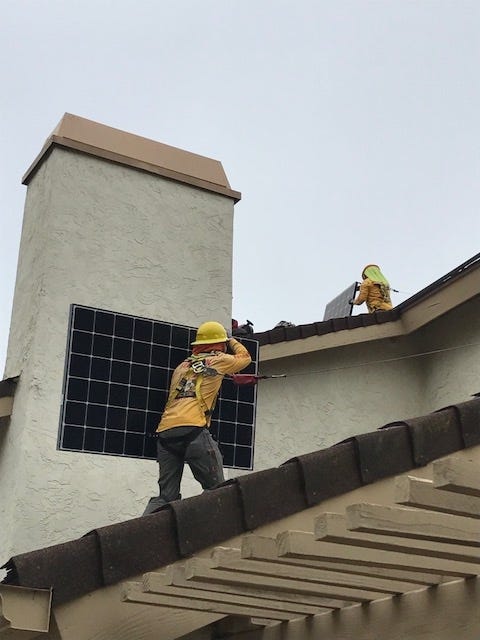
There’s no question that California’s solar, wind and other renewable energy industries, which employ nearly 156,000 workers, stand to suffer unless the market fragmentation is resolved. As E2’s 120 California legislative district-level fact sheets show, every part of the state has seen jobs and other economic benefits from clean energy.
An integrated grid will further expand this job creation and attract more clean energy investments to the state.
Unfortunately, the Balkanized western grid is increasing our electricity bills, affecting electric service reliability and impeding the spread of our clean energy resources across the region by hampering California’s ability to export them to our neighbors.
There are 38 separate authorities currently managing the generation and flow of electricity through California, in addition to 13 other states, two Canadian provinces, and northern Mexico. This fragmentation makes it harder and more expensive to add pollution-free renewable energy generation here and elsewhere in the region, because each time the electrons flow through one of the authorities, a new charge is added.
Integrating our electric grid more fully with neighboring states will end those charges, expand our market, avoid construction of new gas plants, increase use of electricity from lower-cost renewables like wind and solar, and realize efficiencies, which will cut more than $1 billion dollars from the annual utility bills of California businesses and households by 2030.
Lower energy bills also mean more money in the pockets of California’s working families and small businesses. And that means more jobs and a healthier economy.
At the same time, clean energy companies in California will enjoy access to those expanded markets, generating billions of dollars of economic activity and an estimated 10,000 in-state full-time jobs by 2030. And, importantly, an expanded market will provide the revenues necessary for renewable energy developers to keep building in California.
California produces an abundance of solar energy during the day, sometimes more than we can use. A regional grid will open-up access to out-of-state markets, allowing California power generators to sell this surplus clean energy instead of letting it go to waste. It also will make it easier to import emissions-free electricity from other states when we need it, rather than having to ramp up polluting natural gas plants..
That will speed up our transition away from dirty fossil fuels and is essential to California meeting our greenhouse gases (GHG) reduction goals. The more we can reduce greenhouse gases in California and the West, the easier we’ll all breathe.
Passage of AB 813 would launch a transition to fully independent governance for the California Independent System Operator (CAISO), a critical first step on the path to grid integration and the ability of other states to join a regional electricity market. Once it expands, technical experts — not politicians — will manage electricity transmission and markets to benefit all states while respecting their individual clean energy policies. (That’s how every other regional transmission operator in the United States is managed, by the way.)
Using our existing grid infrastructure more efficiently and effectively also saves time and money — and more rapidly reduces those GHGs. We can build fewer new (and expensive) transmission lines while adding new renewable power faster.
There are efforts by others within and outside the region to integrate the western grid, but we believe California should take the lead in designing and running a regional market, especially at a time when national energy and climate progress is under threat.
That’s why California business leaders, including nearly 200 E2 members and supporters from across the state, support AB 813.
The California legislature should not hesitate to pass this bill. California needs to remain a national and world leader in clean energy solutions.
Note: this blog post also appeared on Medium.