Summary:
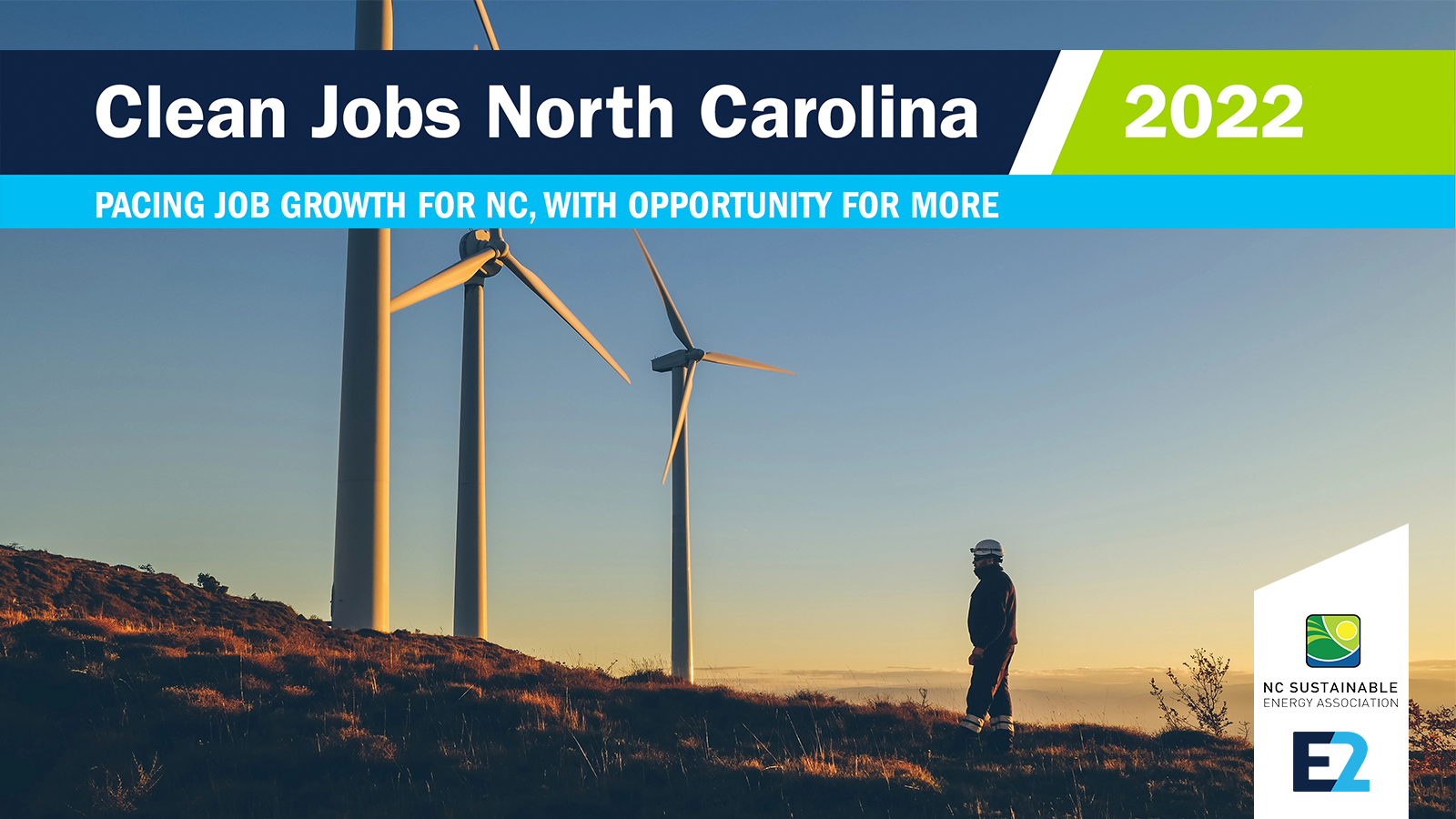
Clean jobs in North Carolina grew by over 4 percent in 2021, more than double the growth rate of the state’s total workforce for the year. That growth also demonstrates the clean energy economy’s strong recovery from the COVID-19 economic downturn and sets North Carolina up for even more clean energy job opportunities in the years to come — especially with the right policies in place.
Other Key Findings
- Black and African-Americans are under-represented by nearly 60% in North Carolina’s clean energy economy. Black workers occupy more than 21% of all jobs in the state, but less than 9% of clean energy jobs.
- North Carolina was home to 3.2% of the nation’s total clean energy jobs, 9th in the nation.
- More than two-thirds of the 27,217 clean energy jobs lost in North Carolina during the COVID-19 economic downturn had been regained by the end of 2021.
- Small businesses (<20 employees) accounted for almost 4 out of every 5 clean energy jobs in North Carolina, ranking 2nd among all 50 states.
- North Carolina ranked 1st among all 50 states in rural clean energy jobs, with 25,563 clean energy jobs in rural areas.
Figure 4 // U.S. Clean Energy Employment by subsector 2021
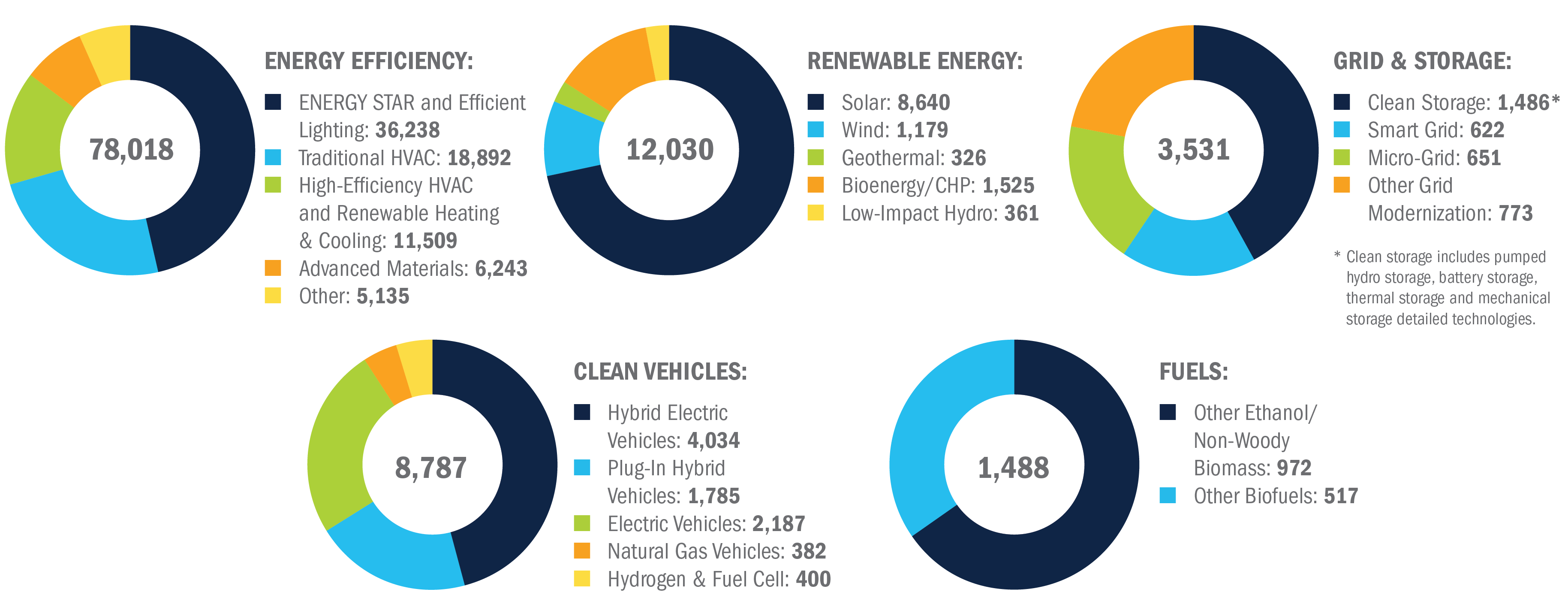
Figure 1 // Clean Energy Employment by year 2017–2021

Figure 3 //Clean Energy Employment by value chain 2021

Previous Clean Jobs North Carolina Reports
Policies Matter
North Carolina has long been a regional leader in clean energy jobs. That distinction is due in large part to its early adoption of smart clean energy policies like the Renewable Energy and Energy Efficiency Portfolio Standard, which passed the North Carolina General Assembly with bipartisan support back in 2007.
But as other states in the Southeast and throughout the country continue to pass policies that will drive growth in their clean energy economies, North Carolina must build on past successes to maintain its leadership status. The bipartisan passage of the Energy Solutions Act (HB 951) in 2021 was a huge step in the right direction, kicking off much-needed utility reform and establishing ambitious carbon pollution reduction targets for the power sector—70 percent by 2030 and carbon neutrality by 2050.
Now, North Carolina’s policymakers need to implement HB 951 as intended and pass additional policies that send a clear, long-term signal that the state is committed to a clean energy future. In turn, that will empower clean energy companies in North Carolina to continue to invest and grow jobs in the state.