
E2’s Executive Director Anticipates Even More Clean Energy Growth and Positive Climate Action in 2026
By Bob Keefe
Look past the headlines, tune out the chaos, and 2026 seems poised to be another banner year for clean energy and climate action.
Hard to believe? Understandably so.
But consider:
The smart money is still betting on clean energy.
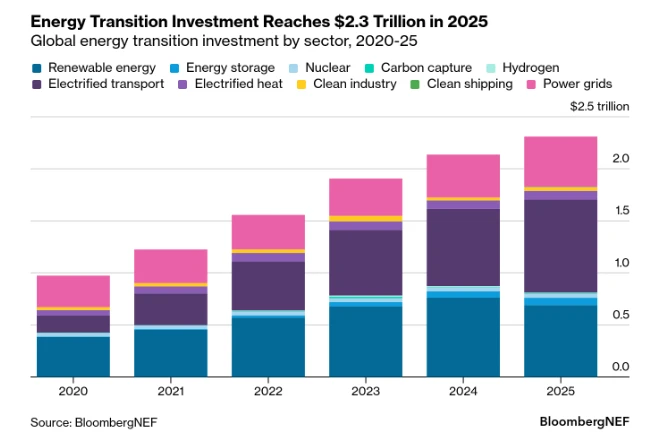
Global investment in solar, wind, batteries, EVs, and other clean energy goods hit a record $2.3 trillion in 2025, according to Bloomberg NEF – far surpassing fossil fuel investments. Despite the Trump administration’s attempts to stifle clean energy in America, U.S. investments nonetheless rose 3.5 percent to a record $378 billion last year. Many of those investments will deliver cheap, clean energy to customers in 2026.
States start to step up.
Illinois and California will begin implementing game-changing legislation to expand energy storage and improve regional power grids. In New Jersey and Virginia, new governors take office with big plans to expand solar, batteries and wind energy to meet soaring electricity demand and bring down prices. Other states are seeking similar policies to address unprecedented electricity demand and affordability concerns.
Economics still matter.
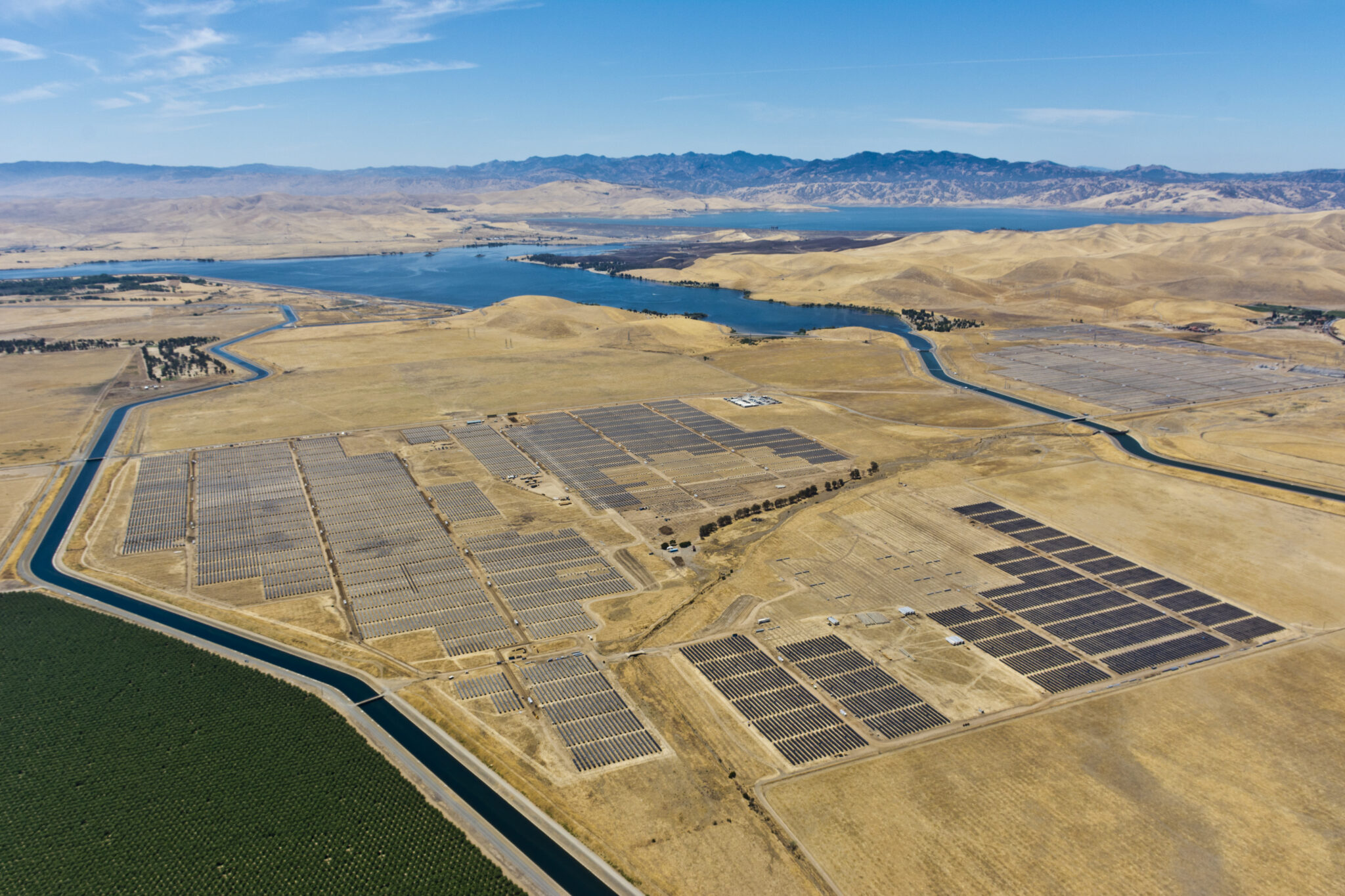
Solar, wind and batteries are the cheapest, fastest power sources there are – and they’re getting cheaper. Battery prices fell 8 percent to a record low in 2025, for instance, and are expected keep dropping in the year ahead. Texas is adding battery storage as quick as it can to keep cheap, clean energy flowing 24-7. California just green-lit what is expected to be the biggest solar and battery project in the country.
All of this adds up to good news for our environment and our economy at the start of 2026. Clean energy investments paired with smart policies means more jobs. It means cheaper electricity. It means less carbon pollution that turbocharges costly climate disasters. And it means less emissions that threaten our health and reduce worker productivity.
The bad news is that the Trump administration is showing no signs of backing down in its war against clean energy.
Since President Trump took office, his administration has stopped development of more than 22 gigawatts of wind and solar projects – enough to keep the lights on every home in Texas and several other states. Last year, the administration approved 5,742 permits to drill for oil and gas on our public lands. It issued exactly one permit for a clean energy project (and that was not until December after a five-month freeze on the project). So much for an all-of-the above approach to address the energy emergency Trump declared at the start of his second term.
January began with a bang, with the U.S. invading Venezuela and seizing its tanker ships for oil, deepening America’s dependence on fossil fuels. By the end of January, the administration pulled the United States out of every major global climate agreement, leaving our county alone as the only nation refusing to work with others to address the global issue of climate change.
Domestically, the Department of Energy cut $83 billion in congressionally approved funding for clean energy projects, redirecting that taxpayer money to pay for more expensive fossil fuel and nuclear projects.
And now the EPA is planning to throw out decades of scientific findings and precedence and end its regulation of greenhouse gases from cars and trucks, despite the fact that vehicles are the biggest U.S. source of such emissions.
Yet the first month of 2026 also came with more reasons for optimism.
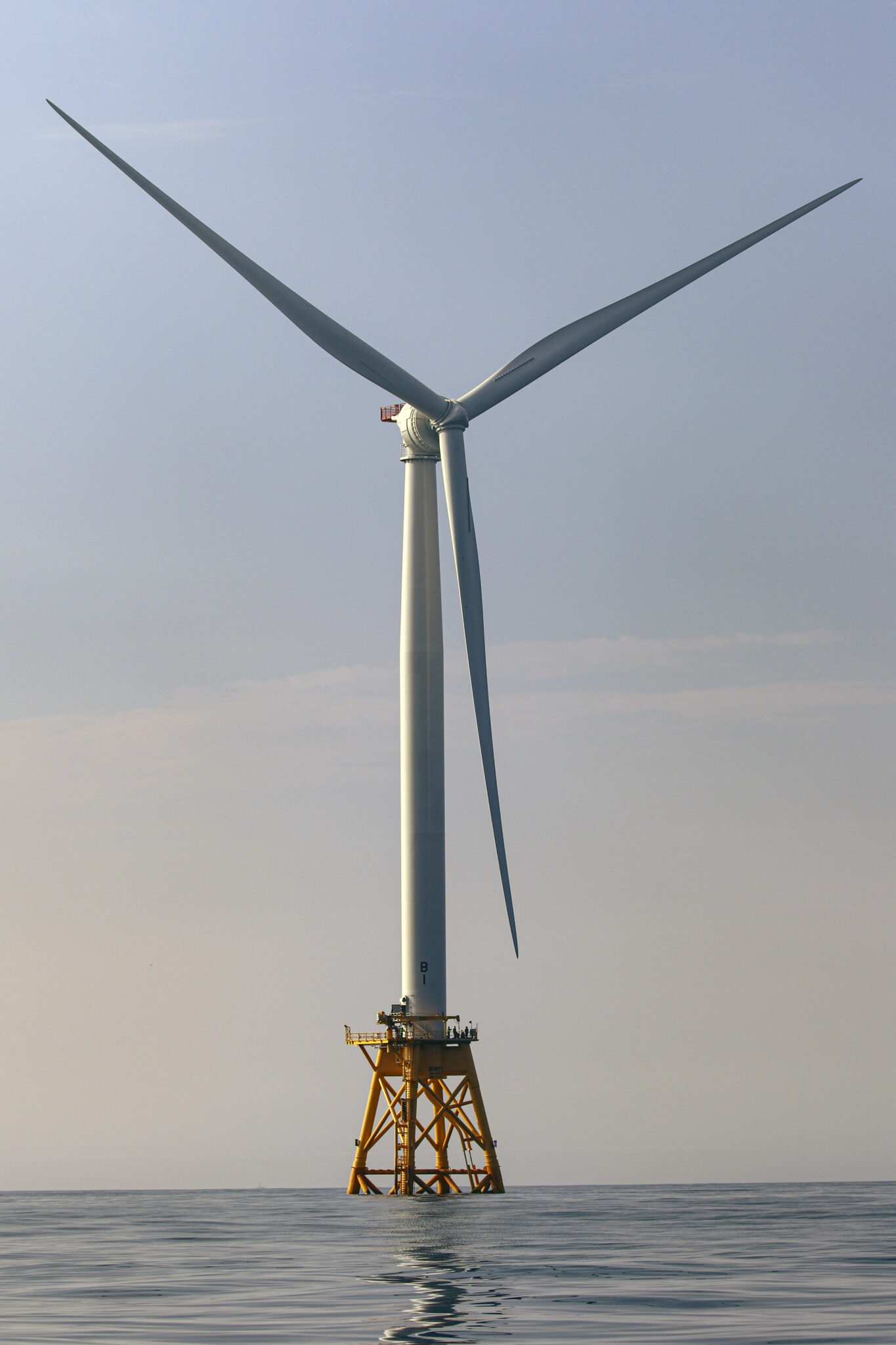
Courts are repeatedly ruling that the administration’s anti-clean energy actions are illegal. Three separate judges in January said the administration broke the law in stopping multi-billion-dollar offshore wind projects in Virginia and the Northeast.
More recently, a federal judge ruled that Trump’s Department of Transportation broke the law in freezing $5 billion in congressionally approved funding for electric vehicle charging infrastructure.
Fissures are emerging in Congress. Republican lawmakers who previously backed the president on anything and everything are having to face their constituents who see their electricity bills rising, as the administration refuses to let companies build cheap solar, wind, and battery projects. Just last week, nine Republican members publicly raised concerns about the impact of Administration’s efforts to block offshore wind on access to affordable reliable energy their constituents need.
They also have to explain why companies are cancelling clean energy related factories and projects in their states, taking with them billions in investments and thousands of jobs, as the United States cedes the $23 trillion global market for clean energy goods to China and other countries.
And they’re finding it harder to champion free-market principles and all-of-the-above energy positions when the president is hell-bent on killing clean energy companies and weakening our economy.
Change is coming.
I’m optimistic.