
Why the EPA’s Repeal of the Endangerment Finding for Vehicles and Trucks is Bad for the Economy and Bad for the Environment
By Daniel Baker
To start, a couple of key facts. Greenhouse gases (GHG) are directly linked to climate change. A warmer planet is really, really bad for business.
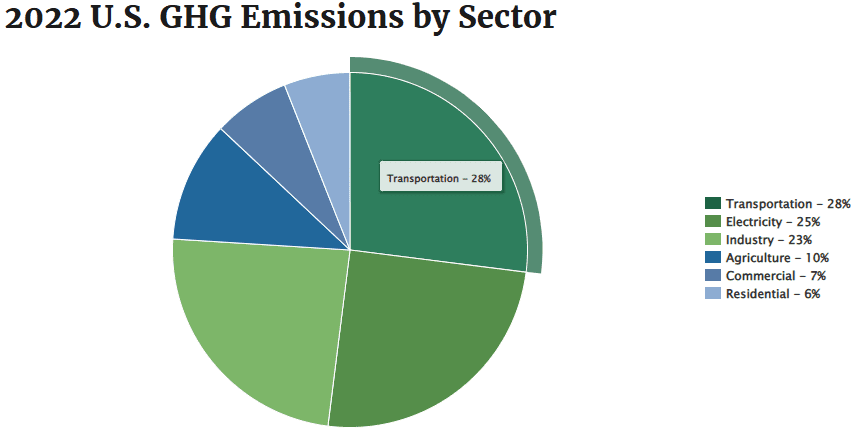
That makes the EPA’s decision to officially reverse its stance on the scientifically established harms of vehicle GHG emissions to human health, well-being, and the environment particularly puzzling and categorically self-defeating. By repealing the 2009 endangerment finding and eliminating clean vehicle standards – the largest sources of U.S. emissions – the agency is removing a vital guardrail protecting public health and wealth.
Rising emissions have already led to lost productivity and wages, supply chain disruptions, and loss of our food supply. Absent coordinated action between the government and private sector, emissions could shrink global GDP by 50% before the century is over. Failing to regulate emissions from vehicles and their negative effects weakens our economy, leaving businesses and consumers to face the impacts on their own.
Clean Car Opportunity
Internal-combustion vehicles emit tons of harmful GHG emissions while in use. In fact, if it were a nation, greenhouse gas emissions from the U.S. vehicles sector would be the fifth-largest source in the world, based on 2023 data; larger than Brazil and Indonesia.
Eliminating standards for GHG emissions in cars increases pollution, harms health, and takes money out of the pockets of everyday Americans. Conversely, clean car standards were on pace to save Americans $1.6 trillion in fuel costs over the lifetime of affected vehicles and provide $2.1 trillion in net societal benefits.
E2 got its start 25 years ago advocating for the landmark California Clean Cars standard, which, for the first time ever, put limits on greenhouse gas tailpipe emissions. We supported that policy because – like the endangerment finding – it advances innovation, reduces consumer costs, drives business investment and job growth, all while helping improve our environment.
Last year’s U.S. Energy Administration’s Annual Energy Outlook analysis shows that repealing the endangerment finding and clean vehicle standards will cost the economy 450,000 jobs by 2035. The clean vehicle sector, on the other hand, employs almost 400,000 people, as our annual Clean Jobs America report shows.
The Cost of Unregulated Emissions
Simply put, higher fuel costs and worsening climate change will disrupt our economy. More than 99 percent of business executives surveyed by The Economist said that climate change negatively impacts their supply chains. Higher shipping costs, climate-related transportation delays, and related issues are expected to put $81 billion in global trade at risk, according to the magazine. Pumping more greenhouses gases into the atmosphere while simultaneously reducing emissions standards for vehicles – as rolling back the endangerment finding and clean vehicle standards will do – exacerbates all of that.
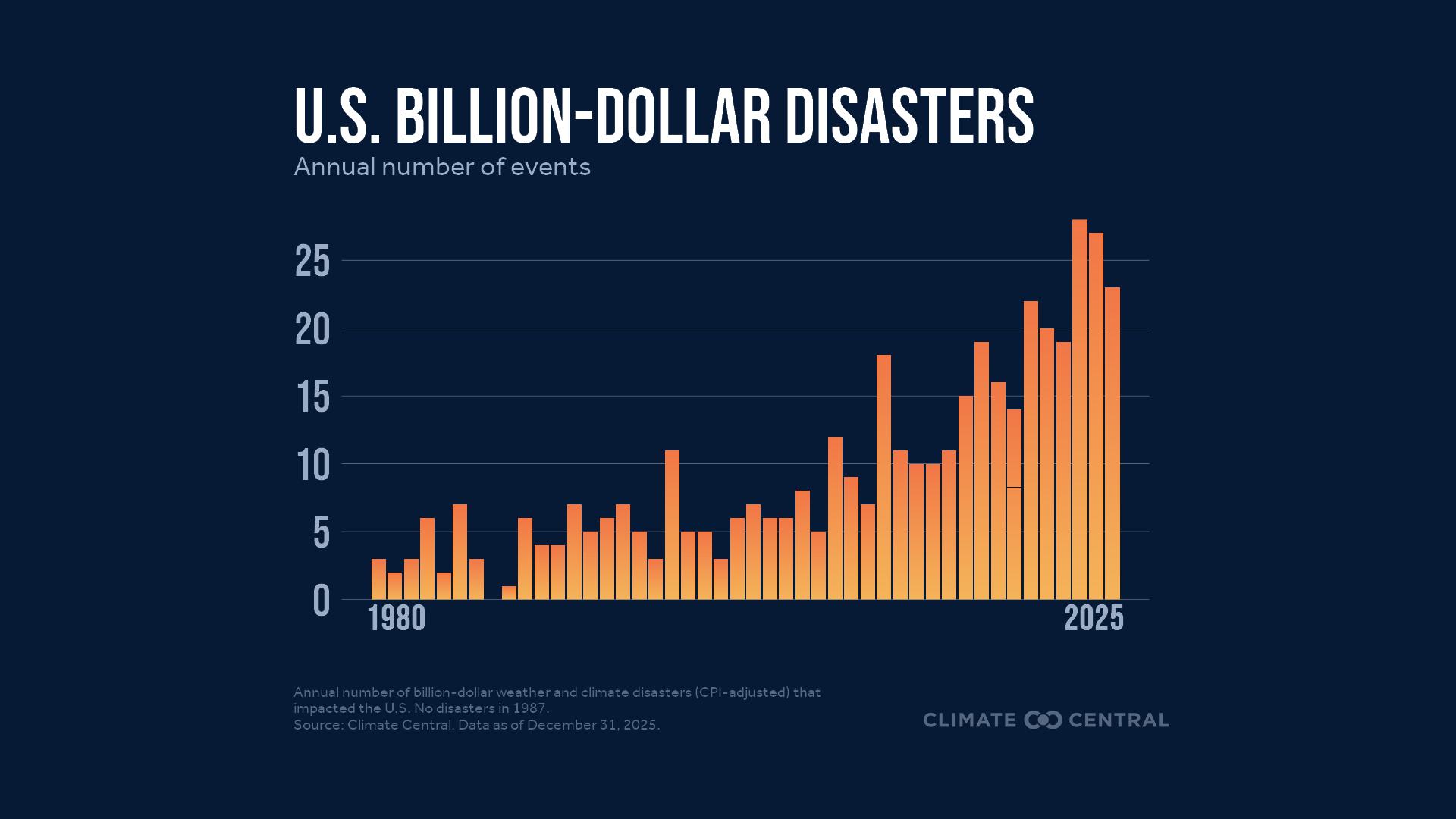
Beyond smaller paychecks and destabilizing the market, greater levels of GHG emissions lead to more extreme weather; disasters are demonstrably more destructive, more frequent – and more costly. Taxpayers are more likely to see their place of work or home life wiped away in an instant than ever.
In 2024, Hurricane Helene ripped through the Southeast, killing at least 250 people. Severe wind and rain caused $78.7 billion of damage across multiple states. Commerce slowed for months. Homes and businesses are still being rebuilt.
In addition to the tragic loss of 31 people, last year’s Los Angeles wildfires destroyed over 16,000 homes and businesses, as Climate Central detailed in its report covering billion-dollar disasters in the U.S. over the last 45 years. The most expensive wildfire in history came with a $61.2 billion price tag. Building back will be even more expensive. As of February 2025, Morningstar estimated economic losses to be in the $250 to $275 billion range.
As the risk and damages from emissions-driven disasters grow, the insurance industry is ill-prepared to cover more than a fraction of the costs. The 2018 Camp Fire in California caused more than $215 billion in property damages. In its wake, individuals and the government were left to pick up 87% of the tab. We’re already seeing insurers ramp up prices and completely abandon major markets like Florida and California, as well as Texas, and Louisiana. Dave Jones succinctly explained the predicament for the insurance industry in The Yale Law Journal last month:
“The risk of loss from climate-driven events keeps climbing and will eventually overwhelm the benefits of these additional policies. The only long-term solution to preserve an insurable future is to transition from fossil fuels and other greenhouse-gas-emitting industries.”
That’s a harbinger for the entire economy. Reinsurance firm Swiss RE estimates that GHG emissions could reduce the U.S. Gross Domestic Product by 10 percent annually by 2050.
Passing Costs to Businesses
Eliminating the endangerment finding for vehicles overturns commonsense standards created nearly two decades ago, sewing uncertainty in the marketplace, discouraging investments and weakening our economy. It also ignores the costly impacts that vehicle emissions have on public health and welfare, including their detrimental impact on our economy.
Plus, what message does this sudden switch by the EPA send to investors and businesses? Extreme shifts in federal policy can lead to project cancellations and lost jobs while creating a chilling effect on new investment. This shift completely contradicts the established science and global trends towards reducing emissions and building more cost-saving vehicles. Instead, companies are left to speculate as to if, and when, the new policy will be overturned by another administration or the courts.
The federal government must respond to the warning signs from the emissions-driven impact on today’s markets by providing the stability the private sector needs to invest in our economy. It’s time for a U-turn on the bad idea to rescind the endangerment finding for vehicles. It’s time to get our auto industry and economy back on track.