
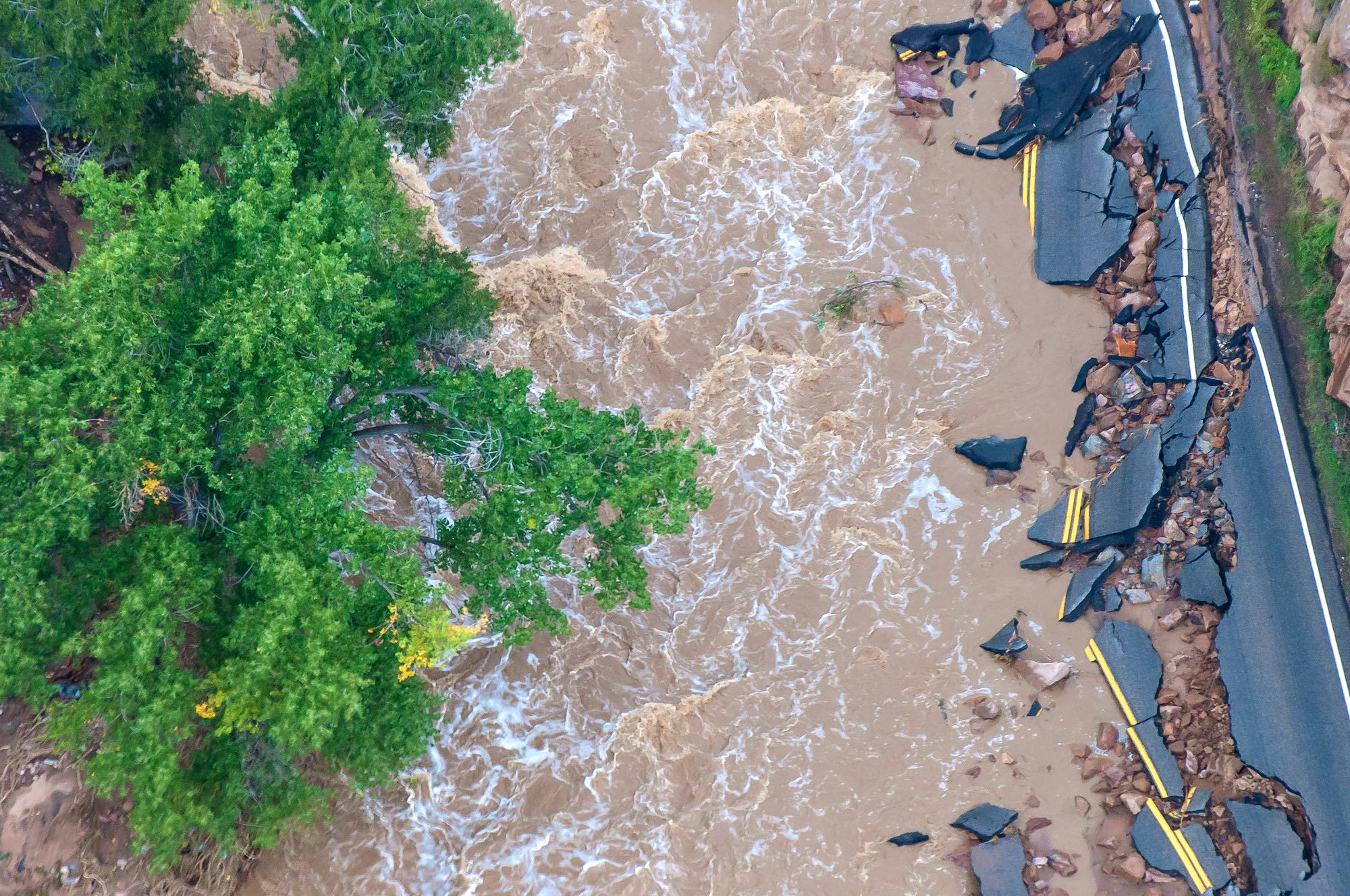
WASHINGTON – A state of emergency has been declared in Southern California as storms continue to blast the region with heavy wind, historic rainfall, and deadly flooding and mudslides. Preliminary estimates project the total damage and economic loss from this week’s storms will be between $9 billion and $11 billion. That’s on top of an estimated $5 billion-$7 billion in losses from storms and flooding in California just a few weeks earlier.
The California disaster is another example of the escalating costs threatening the nation’s economy. According to an E2 analysis of billion-dollar disaster data from the National Oceanic and Atmospheric Administration (NOAA) in 2022, a third of all losses from climate-related disasters since 1980 ($2.5 trillion) occurred between 2017 and 2021 ($765 billion). Now just two years later, more than 40 percent ($1.0 trillion) of climate disaster since 1980 have come since 2017 after losses of $92 billion in 2023 and $178 billion in 2022.
Following is a statement from E2 Executive Director Bob Keefe, a San Diego resident and author of the book “Climatenomics: Washington, Wall Street and the Economic Battle to Save Our Planet,” which details the economic costs of climate change and the economic benefits of climate action:
“Before, it was unprecedented fires in Hawaii, more intense hurricanes on the East Coast and staggering winter snowstorms in the Midwest and Northeast. Now it’s historic flooding and rainfall in a place made famous for its lack of rain.
“It all adds up to the fact that no matter where you are in America, climate-related disasters – and the economic costs that come with them – are rising. The only way to blunt these costs is to speed up the shift to a cleaner economy to reduce carbon emissions that are fueling climate change.”
Additional Resources